GCP-2: The CXC Chemokine in Neutrophil and Repair Research
GCP-2 (Granulocyte Chemotactic Peptide-2) is a small signaling peptide of the CXC chemokine family, studied primarily for its role in directing neutrophil migration to sites of inflammation or injury — a focal point of immune-trafficking and tissue-repair research.
What is GCP-2?
GCP-2 belongs to the CXC chemokine class of signaling proteins that govern immune-cell trafficking. Its defining property is potent chemotaxis of neutrophils — it binds specific receptors on the neutrophil surface and triggers directed migration toward chemical gradients.
Research areas
- Neutrophil recruitment: mapping the receptor pathways that drive first-responder immune-cell migration.
- Wound-healing models: studying neutrophil recruitment’s role in debris clearance and the initiation of tissue repair.
- Inflammation research: understanding GCP-2 signaling in inflammatory-condition models.
- Tumor-microenvironment research: exploratory work on chemokine involvement in disease progression.
Handling & safety for research labs
- Not authorized by Health Canada for human use — laboratory research only.
- Wear appropriate PPE (gloves, lab coat, eye protection); handle in a well-ventilated area.
- Store lyophilized at −20°C; reconstitute with sterile bacteriostatic water; dispose of waste per local regulations.
- Source from reputable suppliers providing third-party purity testing and a COA.
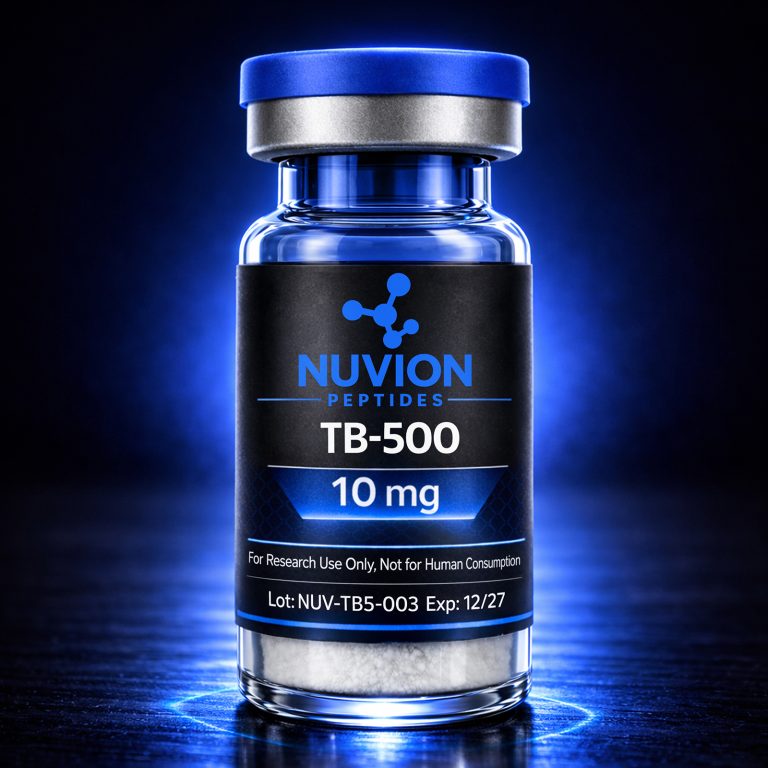
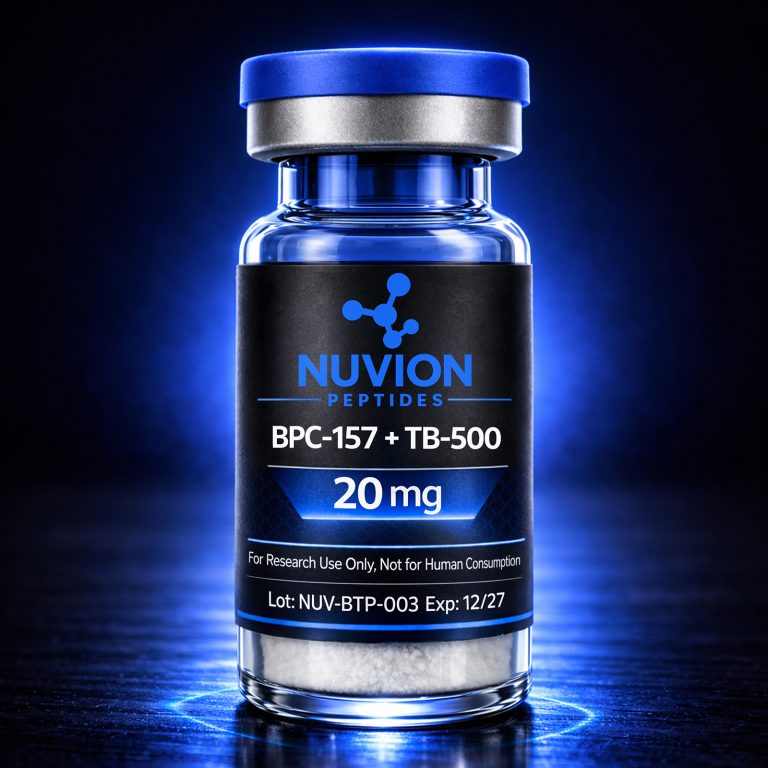
Explore related tissue-repair research compounds we carry: BPC-157 and TB-500 — both third-party tested to over 99% purity with a COA. Pair with bacteriostatic water for reconstitution.
This guide is part of our Peptides Canada research hub — explore the full library of compound guides.
Disclaimer: Educational and research content only. GCP-2 is discussed strictly as a research chemical, not for human consumption or therapeutic use. All work must comply with Canadian regulations and institutional ethics approvals.
Frequently Asked Questions
What is GCP-2: The CXC Chemokine in Neutrophil and Repair Research used for in research?
GCP-2: The CXC Chemokine in Neutrophil and Repair Research is studied in laboratory settings for its published biochemical pathways and signaling roles. Nuvion supplies it strictly for in-vitro and research use — not for human or veterinary consumption.
Are Nuvion peptides for human use?
No. All products are sold strictly for laboratory and research use only (RUO). They ship as sterile lyophilized powder for reconstitution per your lab protocol.
Does Nuvion ship within Canada and provide a COA?
Yes. Orders ship discreetly within Canada with tracking. Every batch includes third-party testing documentation; request the certificate of analysis for your lot from the product page or our COA directory.