
Peptides in Canada: A Comprehensive Research Overview
Peptides are short chains of amino acids, the building blocks of proteins, that play crucial roles in various biological processes. In Canada, the landscape for research peptides is defined by a focus on strict laboratory and research applications, with suppliers like Nuvion Peptides providing high-purity compounds specifically for scientific investigation.
Understanding Peptides for Research
Peptides are naturally occurring biological molecules that perform a vast array of functions in living organisms, acting as hormones, growth factors, neurotransmitters, and antimicrobial agents. Composed of typically 2 to 50 amino acids linked by peptide bonds, their specific sequence and three-dimensional structure dictate their unique biological activity. For researchers, peptides represent a valuable class of compounds due to their high specificity and diverse physiological effects, making them ideal for studying cellular pathways, disease mechanisms, and potential therapeutic targets.
In a research setting, peptides are synthesized to precise specifications, ensuring high purity and consistent results. These synthetic peptides allow scientists to isolate and study the effects of specific amino acid sequences without the complexities of endogenous protein mixtures. Their applications span a wide range of disciplines, including biochemistry, pharmacology, neuroscience, and immunology. Researchers utilize peptides to investigate receptor binding, enzyme inhibition, cell signalling, and gene expression, among other critical biological phenomena.
The Regulatory Landscape in Canada
In Canada, the sale and use of peptides are governed by a distinct regulatory framework, primarily overseen by Health Canada. Unlike pharmaceuticals, which are approved for human consumption, research peptides are not intended for diagnostic, therapeutic, or human use. Instead, they fall under the category of research chemicals, meaning they are explicitly sold and labelled for in vitro (test tube) and ex vivo (outside the body) laboratory experimentation.
The key distinction is the ‘for research use only’ designation, which suppliers must adhere to rigorously. This classification ensures that these compounds are used responsibly within scientific contexts and prevents their diversion for unapproved applications. Health Canada monitors the import, sale, and distribution of such chemicals, emphasizing that vendors and purchasers alike must comply with all relevant regulations, including those pertaining to labelling, storage, and handling. Researchers procuring peptides in Canada for sale must ensure their activities align with these guidelines to maintain ethical and legal compliance.
Sourcing and Handling Research Peptides in Canada
When sourcing peptides in Canada, selecting a reputable supplier is paramount to ensure the quality, purity, and authenticity of the compounds. Nuvion Peptides, for instance, emphasizes providing detailed Certificates of Analysis (CoAs) for its products, verifying their identity and purity through techniques such as High-Performance Liquid Chromatography (HPLC) and Mass Spectrometry (MS). This transparency is crucial for researchers who rely on precise and uncontaminated materials for their experiments. A reliable vendor will also provide clear instructions for proper handling, storage, and reconstitution.
Choosing a Reputable Supplier
- Purity Verification: Look for suppliers that provide third-party lab testing results.
- Product Range: A diverse catalogue often indicates a specialized and knowledgeable vendor.
- Customer Support: Responsive and informed support can be invaluable for technical queries.
- Shipping & Logistics: Ensure the supplier can reliably ship within Canada, preserving product integrity.
Storage and Reconstitution Best Practices
Proper storage is essential to maintain peptide stability and efficacy. Lyophilized (freeze-dried) peptides should typically be stored in a cool, dark, and dry environment, often in a freezer at -20°C or colder, to prevent degradation. Once reconstituted with a solvent, usually bacteriostatic water, peptides have a shorter shelf life and should be refrigerated at 2-8°C. Reconstitution protocols vary by peptide and concentration, so always follow the manufacturer’s specific guidelines to ensure accurate preparation and prevent loss of activity.
Common Research Peptide Categories and Examples
The world of research peptides is vast, with compounds categorized by their primary physiological effects and research applications. Many Canadian researchers seek specific peptides to advance their studies. If you are wondering where to buy research peptides, understanding these categories can help refine your search.
Growth Hormone Secretagogues (GHS)
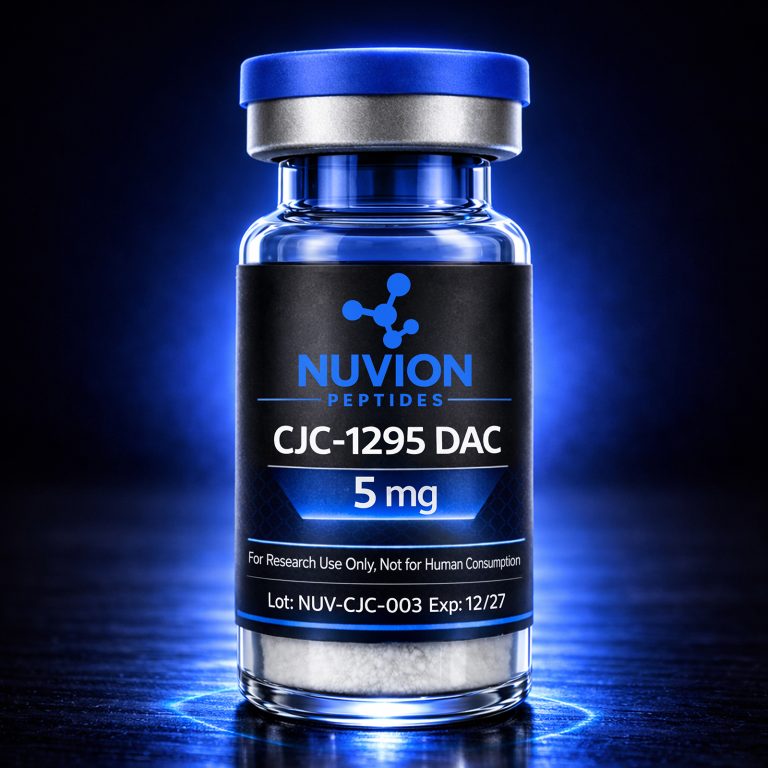
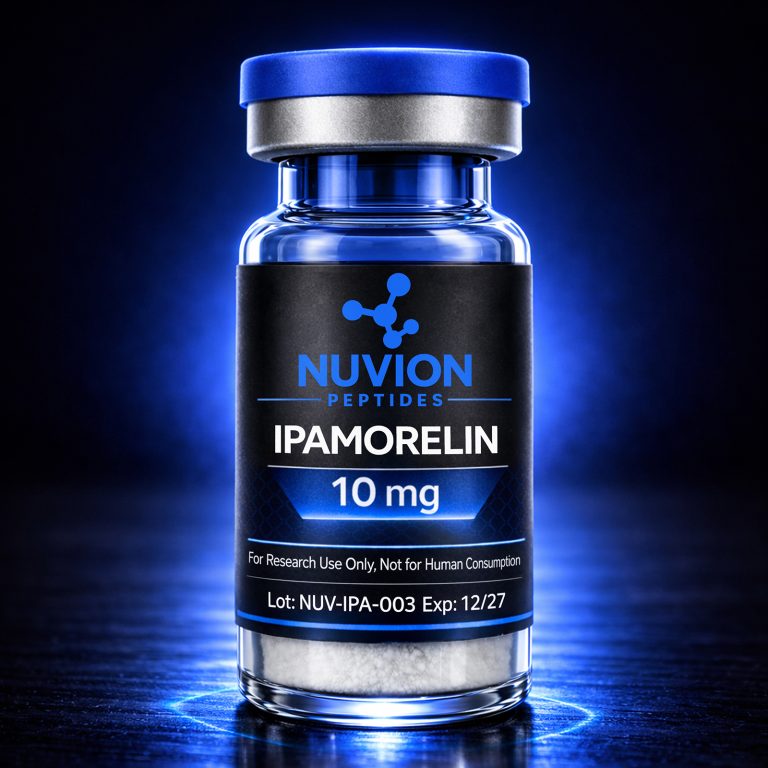
This category includes peptides that stimulate the body’s natural production and release of growth hormone (GH). Examples often studied include Ipamorelin, CJC-1295 (with and without DAC), and Sermorelin. Research into GHS focuses on their potential roles in cellular regeneration, metabolic regulation, and age-related decline in GH levels.
Healing and Repair Peptides
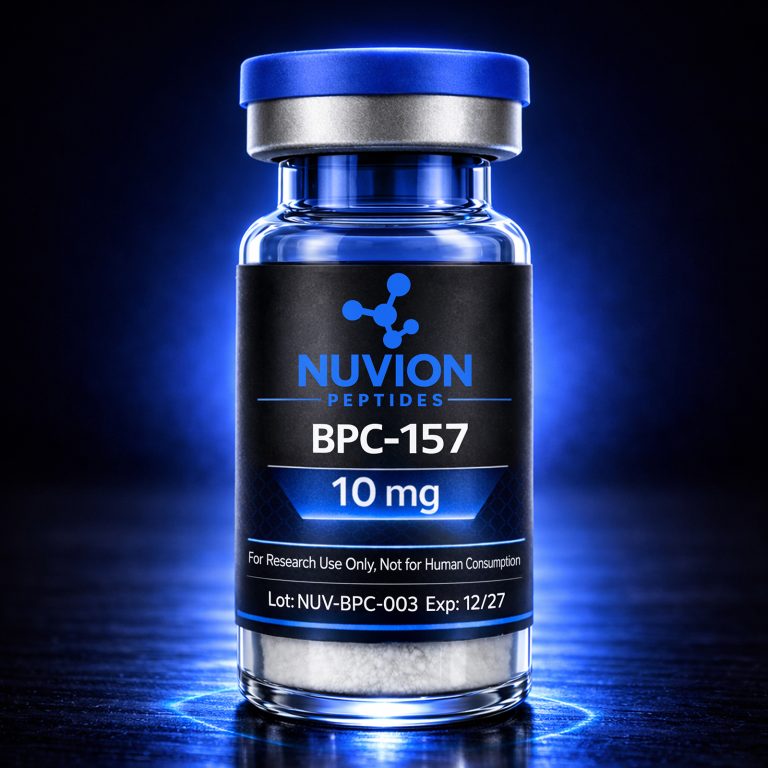
Peptides like BPC-157 and TB-500 are extensively researched for their regenerative and cytoprotective properties. BPC-157, a gastric pentadecapeptide, is studied for its role in tendon, ligament, and gut healing, while TB-500, a synthetic version of Thymosin Beta-4, is investigated for its potential in tissue repair, cell migration, and anti-inflammatory effects.
Metabolic and Fat Loss Peptides
Compounds such as AOD-9604 and HGH Fragment 176-191 are explored for their effects on lipid metabolism and body composition. AOD-9604 is a modified fragment of human growth hormone, studied for its fat-reducing properties without affecting blood sugar or growth. HGH Fragment 176-191 mimics the lipolytic effects of GH, focusing on fat breakdown.
Neurological and Nootropic Peptides
Peptides like Semax and Selank are researched for their potential cognitive and anxiolytic effects. Semax, a synthetic analogue of a fragment of ACTH, is studied for its neuroprotective and memory-enhancing properties. Selank, a synthetic analogue of the human body’s tuftsin, is investigated for its anxiolytic and immunomodulatory effects.
Nuvion Peptides products are sold strictly for laboratory and research use only, not for human or veterinary consumption, diagnosis, or treatment.
Frequently Asked Questions
What are peptides used for in research?
In research, peptides are used to study biological functions, cell signaling pathways, disease mechanisms, and as tools for drug discovery and development. They help scientists understand specific interactions within biological systems.
Are peptides legal to buy in Canada?
Yes, peptides are legal to buy in Canada when sold and purchased strictly for laboratory and research use only. They are not approved for human consumption or therapeutic use by Health Canada.
How should research peptides be stored?
Lyophilized peptides should be stored frozen at -20°C or colder. Once reconstituted with bacteriostatic water, they should be refrigerated at 2-8°C and typically used within a few weeks to maintain stability.
Can peptides be used for human consumption in Canada?
No, peptides sold by research chemical suppliers in Canada are strictly for laboratory and research use only and are not intended or approved for human consumption, diagnosis, or treatment.
What is the purity standard for research peptides?
Reputable suppliers provide research peptides with high purity, typically 98% or higher, verified by third-party testing methods like HPLC and MS to ensure accurate and reliable research results.
Where can I find high-quality research peptides in Canada?
High-quality research peptides can be found from specialized Canadian suppliers like Nuvion Peptides, who provide detailed Certificates of Analysis and adhere to strict laboratory-use-only guidelines.