BPC-157 Vial Canada: Research Peptide Guide (2026)
BPC-157 (Body Protection Compound-157) is a synthetic pentadecapeptide, a sequence of 15 amino acids derived from a portion of human gastric juice protein BPC. Researchers in Canada utilize BPC-157 vials for various laboratory studies, primarily focusing on its regenerative, cytoprotective, and anti-inflammatory properties across different tissue types and organ systems. It is consistently studied for its potential roles in tissue repair, wound healing, and gastric protection.
BPC-157: A Stable Gastric Pentadecapeptide
BPC-157 is a synthetically produced peptide that has garnered significant attention in the research community due to its unique biological activity, particularly its remarkable stability in gastric acid and its broad range of protective effects. Derived from a naturally occurring protein found in the human stomach, BPC-157 exhibits profound regenerative capabilities that extend beyond the gastrointestinal tract. Its molecular structure, specifically its 15-amino acid sequence, contributes to its resistance to enzymatic degradation, allowing it to remain intact and active in various physiological environments. Initial studies highlighted its role in maintaining gastric mucosal integrity, accelerating the healing of ulcers, and mitigating damage from NSAIDs. However, subsequent research has expanded to investigate its systemic effects, revealing its involvement in angiogenesis, cell survival, and modulation of growth factor expression. This peptide is believed to act through multiple pathways, including the upregulation of growth hormone receptors, interaction with the nitric oxide system, and influencing collagen production. Its pleiotropic actions make it a compelling subject for researchers exploring novel therapeutic strategies for tissue repair and inflammation management. The stability and broad-spectrum activity of BPC-157 contribute to its widespread interest in various preclinical models, from tendon and ligament injuries to neurological damage and inflammatory bowel conditions.
Understanding BPC-157 Vials: Reconstitution and Storage
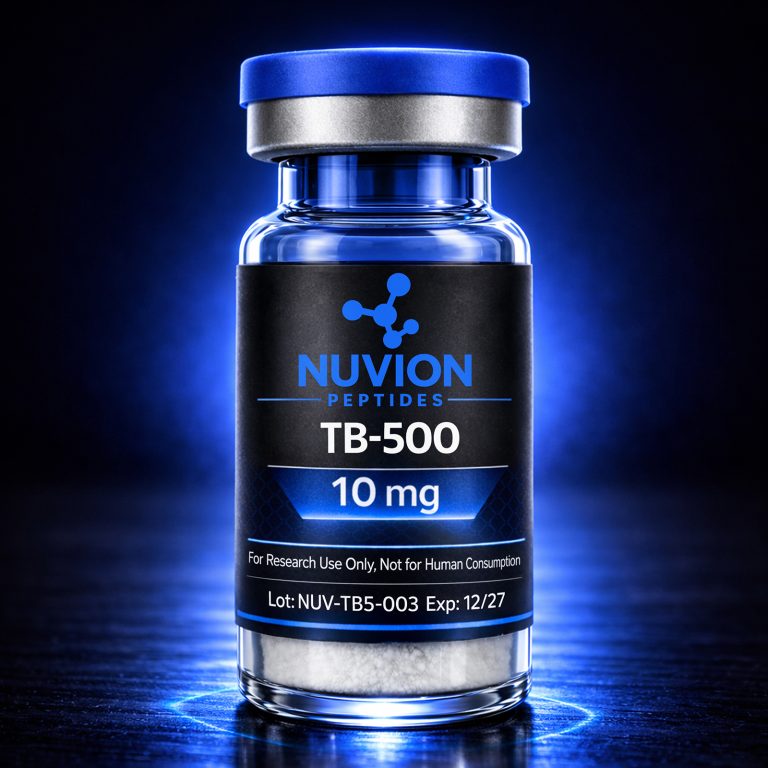
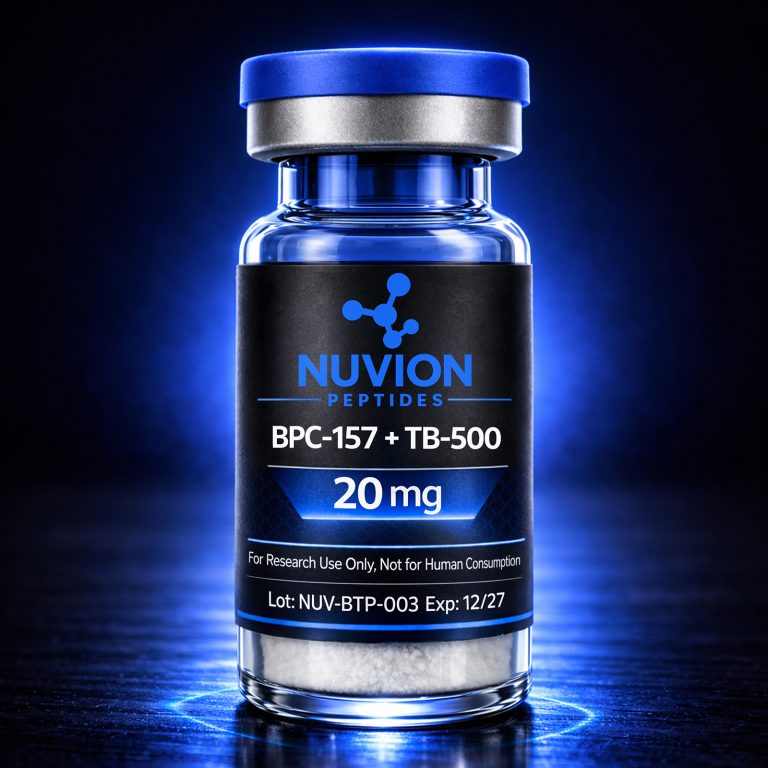
Research-grade BPC-157 is typically supplied in lyophilized (freeze-dried) powder form within sealed glass vials, requiring careful reconstitution before use in experimental protocols. The lyophilized powder ensures long-term stability and preserves the peptide’s integrity. To reconstitute, researchers typically use bacteriostatic water or sterile saline solution. The precise volume of solvent added determines the final concentration of the peptide, necessitating accurate calculations to achieve desired experimental dosages. A common practice involves slowly introducing the solvent down the side of the vial to minimize agitation and preserve the delicate peptide structure, followed by gentle swirling rather than shaking. Once reconstituted, the peptide solution’s stability decreases significantly compared to its lyophilized state. Therefore, proper storage is paramount to maintain its potency and prevent degradation. Reconstituted BPC-157 should be stored in a refrigerator at temperatures between 2°C and 8°C (35°F and 46°F), shielded from light. Freezing reconstituted solutions is generally not recommended as it can compromise peptide integrity through ice crystal formation. The shelf life of reconstituted BPC-157 varies, but it is typically stable for several weeks when stored correctly. Researchers must meticulously record reconstitution dates and adhere to strict aseptic techniques throughout the handling process to prevent contamination and ensure the reliability of their experimental results. Understanding these precise steps is crucial for any laboratory working with peptide research compounds like BPC-157 to ensure consistency and prevent material degradation.
Research Applications and Mechanisms of Action
The research interest in BPC-157 stems from its diverse applications across various physiological systems, primarily focused on tissue regeneration and systemic cytoprotection. Preclinical studies have explored its efficacy in accelerating the healing of numerous tissue types, including muscle, tendon, ligament, bone, and gastrointestinal mucosa. For instance, in models of tendon and ligament injury, BPC-157 has been shown to promote fibroblast proliferation and enhance collagen synthesis, leading to more robust repair. Its mechanisms are thought to involve the upregulation of growth hormone receptors and the promotion of angiogenesis, the formation of new blood vessels, which is critical for tissue repair. Furthermore, BPC-157 exhibits potent anti-inflammatory effects, modulating inflammatory cytokines and reducing oxidative stress, which contributes to its protective actions in conditions like inflammatory bowel disease. It also interacts with the nitric oxide (NO) system, influencing vasodilation and blood flow, which can aid in nutrient delivery and waste removal from injured sites. Beyond musculoskeletal and gastrointestinal repair, emerging research suggests potential applications in neuroprotection, where it has shown promise in attenuating damage from various neurological insults and promoting neuronal survival. This peptide’s ability to stabilize mast cells and reduce histamine release further contributes to its broad cytoprotective profile. Ipamorelin, another peptide, also shows promise in tissue repair via growth hormone release, offering an interesting comparison for researchers. The multifaceted nature of BPC-157’s action underscores its potential as a broad-acting research tool for understanding regenerative processes.
Sourcing BPC-157 Vials in Canada for Research
For Canadian researchers, sourcing high-quality BPC-157 vials is a critical step in ensuring the integrity and reproducibility of their studies. The market for research peptides requires careful evaluation of suppliers to ensure purity, authenticity, and compliance with research-use-only stipulations. When selecting a supplier in Canada, researchers should prioritize those who provide transparent, third-party laboratory testing results, typically in the form of Certificates of Analysis (COAs), for every batch. These COAs should confirm the peptide’s purity, usually exceeding 98%, and verify its molecular structure through techniques like High-Performance Liquid Chromatography (HPLC) and Mass Spectrometry (MS). A reputable Canadian supplier will also explicitly state that their products, including BPC-157 vials, are sold strictly for laboratory and research use only, not for human or veterinary consumption, diagnosis, or treatment. Fast, reliable shipping within Canada is another key factor, ensuring the cold chain is maintained for temperature-sensitive compounds where applicable, and that products arrive in optimal condition. Suppliers like Nuvion Peptides emphasize these quality control measures, offering researchers access to accurately tested compounds with documented purity. Furthermore, a knowledgeable customer support team can provide valuable assistance regarding product specifications and handling guidelines, which is invaluable for complex research materials. Researchers should always confirm that their chosen supplier adheres to all Canadian regulations concerning the sale and distribution of research chemicals. Exploring GHK-Cu in Canada also highlights similar considerations for sourcing quality research compounds.
All products from Nuvion Peptides are sold strictly for laboratory and research use only, not for human or veterinary consumption, diagnosis, or treatment.
Frequently Asked Questions
What is BPC-157 and how is it used in research?
BPC-157 is a synthetic peptide derived from human gastric protein, studied for its regenerative and protective effects on various tissues. In research, it is primarily investigated for its potential in wound healing, tissue repair, and anti-inflammatory mechanisms across different organ systems.
How should BPC-157 vials be reconstituted and stored?
BPC-157 vials, typically containing lyophilized powder, should be reconstituted with bacteriostatic water or sterile saline. Once reconstituted, the solution must be stored refrigerated at 2-8°C and protected from light to maintain stability for several weeks.
Where can researchers source high-quality BPC-157 vials in Canada?
Researchers in Canada can source high-quality BPC-157 vials from specialized suppliers who provide third-party Certificates of Analysis (COAs) verifying purity and authenticity. It is crucial to choose suppliers who explicitly state products are for laboratory research use only and offer reliable shipping.
What are the primary research applications for BPC-157?
The primary research applications for BPC-157 include studies on accelerating the repair of muscle, tendon, ligament, and bone injuries, as well as investigations into its cytoprotective effects in the gastrointestinal tract, its anti-inflammatory properties, and potential neuroprotective roles.
Is BPC-157 stable after reconstitution?
While BPC-157 is very stable in its lyophilized form, its stability decreases once reconstituted. When stored properly in a refrigerator at 2-8°C and protected from light, reconstituted BPC-157 is typically stable for several weeks, though researchers should always refer to supplier guidelines.