Buy Peptides Canada: Research Sourcing Guide (2026)
Researchers in Canada seeking to buy peptides for laboratory use must prioritize reputable domestic suppliers who provide transparent third-party testing, Certificates of Analysis (COAs), and adhere to strict quality control standards. Identifying a supplier with established protocols for purity, proper storage, and reliable Canada-only shipping is crucial for ensuring the integrity and efficacy of research compounds.
Navigating the Canadian Research Peptide Market
The landscape for sourcing research peptides in Canada requires careful consideration from the scientific community. While peptides are not scheduled substances in the same way as controlled drugs, their sale is regulated, particularly concerning claims of human or veterinary use. For this reason, reputable Canadian suppliers, like Nuvion Peptides, operate strictly within the bounds of providing compounds for in vitro and in vivo laboratory research, not for direct human consumption. This distinction is paramount, guiding both the supplier’s operations and the researcher’s procurement process. The Canadian market offers various domestic options, but a discerning approach is essential to avoid substandard products that can compromise research outcomes.
The primary challenge for researchers is to confidently identify sources that guarantee the purity, potency, and accurate labelling of their peptide products. Adulterated or mislabeled compounds can lead to flawed experimental results and wasted resources. Therefore, understanding the regulatory nuances and the quality assurance mechanisms employed by Canadian suppliers is fundamental to responsible research practices. This guide aims to equip researchers with the knowledge needed to make informed decisions when looking to buy peptides in Canada, ensuring their projects are built on a foundation of reliable and high-quality materials.
Key Considerations When Selecting a Canadian Peptide Supplier
Choosing the right supplier is the most critical step in acquiring research peptides. A robust due diligence process will safeguard your research integrity and investment. Here are the paramount factors:
Third-Party Testing and Certificates of Analysis (COAs)
Transparency is the hallmark of a trustworthy supplier. Always demand evidence of independent third-party testing for every batch of peptides. A reputable supplier will provide a Certificate of Analysis (COA) that details the compound’s purity (often via High-Performance Liquid Chromatography – HPLC), identity (Mass Spectrometry – MS), and absence of contaminants. This documentation should be easily accessible, ideally published directly on the product page or provided upon request. Without verifiable third-party COAs, there is no objective confirmation of what you are receiving.
Product Purity and Formulations
Research peptides are typically supplied as lyophilized (freeze-dried) powders. The stated purity should ideally be 98% or higher for most research applications. Understand the specific formulation and any excipients used. While some peptides may be pre-mixed with a carrier, the purest form for research is generally the active peptide itself. Ensure the supplier provides clear instructions for handling, storage, and reconstitution, as these steps are vital for maintaining peptide stability and integrity. For instance, many peptides require reconstitution with sterile bacteriostatic water and storage at refrigerated or frozen temperatures to prevent degradation.
Shipping and Logistics
For Canadian researchers, sourcing domestically offers significant advantages in terms of shipping speed and customs clearance. Confirm that the supplier ships exclusively within Canada to avoid potential delays, customs issues, or import duties associated with international orders. Discreet and secure packaging is also important to maintain privacy and product safety during transit. Check the supplier’s shipping policies for estimated delivery times and any temperature-controlled shipping options if relevant for specific compounds.
Customer Support and Expertise
A knowledgeable customer support team can be invaluable, especially when dealing with complex research compounds. They should be able to answer questions regarding product specifications, handling, and general research compliance. While they cannot offer medical advice, they should demonstrate a clear understanding of their products and the research context.
Understanding Peptide Types and Research Applications
Peptides are short chains of amino acids that play diverse roles in biological systems. Their specificity and therapeutic potential make them subjects of intense research across various disciplines, including endocrinology, metabolism, tissue regeneration, and neurology. Understanding the broad categories can help researchers identify relevant compounds for their studies.
Common Peptide Categories
- Growth Hormone Secretagogues (GHS): Peptides like GHRP-2, GHRP-6, and Ipamorelin stimulate the release of growth hormone from the pituitary gland, often researched for their effects on body composition, recovery, and anti-aging processes.
- Tissue Repair and Regeneration Peptides: Compounds such as BPC-157 and Thymosin Beta-4 (TB-500) are extensively studied for their roles in wound healing, anti-inflammatory effects, and tissue protective mechanisms.
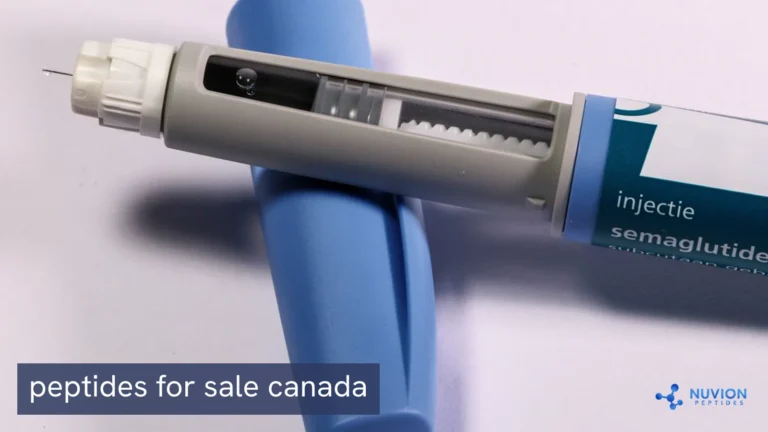
- Metabolic Peptides: Peptides like GLP-1 analogues (e.g., Semaglutide, Tirzepatide) are under significant investigation for their effects on glucose homeostasis, weight management, and metabolic disorders.
- Nootropic Peptides: Peptides such as Cerebrolysin or Selank are researched for their potential cognitive enhancing and neuroprotective properties.
- Immunomodulatory Peptides: Thymosin Alpha-1, for example, is studied for its role in modulating immune responses.
Comparative Overview of Select Research Peptides
| Peptide | Primary Research Focus | Key Characteristics |
|---|---|---|
| BPC-157 | Tissue repair, gut health, anti-inflammatory | Pentadecapeptide, rapid healing of various tissues (tendons, ligaments, muscle), protective effects on organs. |
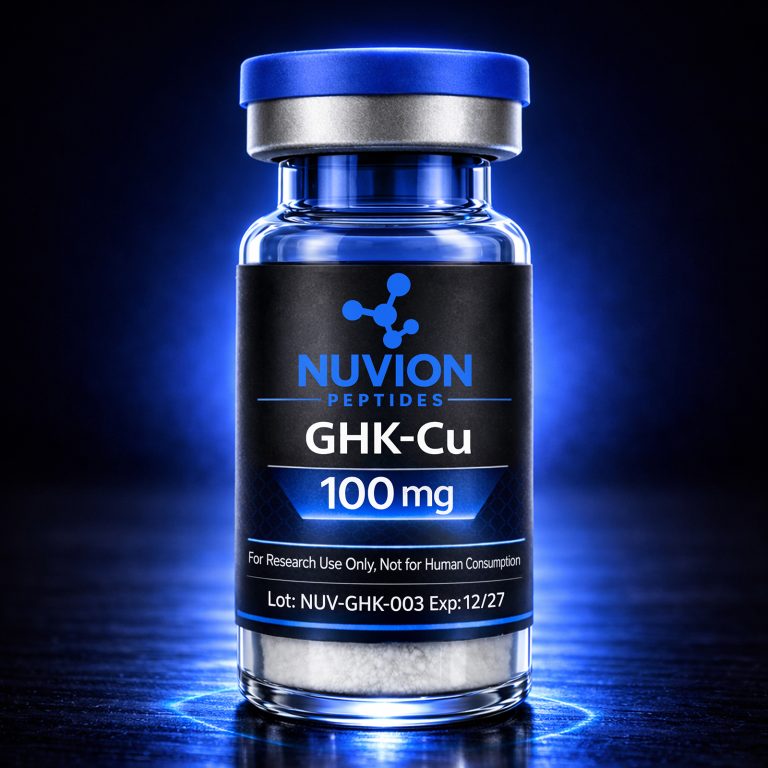
| GHK-Cu | Skin regeneration, wound healing, anti-aging, hair growth | Copper tripeptide complex, stimulates collagen and glycosaminoglycan synthesis, antioxidant properties. |
| Epitalon | Anti-aging, telomere length, melatonin production, circadian rhythm | Tetrapeptide, regulates pineal gland function, influences cellular senescence and lifespan. |
| Ipamorelin | Growth hormone release, body composition, recovery | Growth Hormone Releasing Peptide (GHRP), selective GH secretagogue with minimal impact on cortisol or prolactin. |
| TB-500 | Wound healing, muscle repair, flexibility, anti-inflammatory | Synthetic version of Thymosin Beta-4, promotes cell migration and angiogenesis, reduces inflammation. |
Proper Handling, Storage, and Reconstitution for Research
The efficacy and stability of research peptides are highly dependent on correct handling, storage, and reconstitution. Improper procedures can lead to degradation, contamination, and ultimately, compromised research results. Always consult the supplier’s specific instructions for each compound, but general principles apply.
Reconstitution Guidelines
Most research peptides arrive as lyophilized powders and require reconstitution before use. The primary diluent for most peptides is sterile bacteriostatic water, which contains 0.9% benzyl alcohol to inhibit bacterial growth. Saline (0.9% sodium chloride) or sterile water for injection can also be used, but bacteriostatic water is preferred for multi-dose vials due to its preservative qualities. Use a sterile syringe and needle to slowly introduce the diluent to the peptide vial, directing it down the side of the vial to prevent frothing. Do not shake the vial; instead, gently swirl it until the powder fully dissolves. This process can take several minutes to an hour.
Storage Protocols
Lyophilized Peptides: Unreconstituted peptides should be stored in a cool, dark, and dry place, typically at refrigerator temperatures (2-8°C) or even frozen (-20°C or colder) for long-term storage, as specified by the supplier. Protection from light, heat, and moisture is critical to prevent degradation.
Reconstituted Peptides: Once reconstituted, peptides are generally less stable. They should be stored in a refrigerator (2-8°C) and typically have a shorter shelf life, ranging from a few weeks to a few months, depending on the specific peptide and diluent used. Avoid repeated freezing and thawing, as this can damage the peptide structure. Aliquoting into smaller doses before freezing can extend usability while preventing degradation from frequent temperature fluctuations.
Sterile Technique
Maintaining sterility throughout the handling and reconstitution process is paramount to prevent bacterial contamination, which can invalidate research. Always use new, sterile syringes, needles, and vials. Work in a clean environment, preferably a laminar flow hood, and disinfect all surfaces and vial tops with alcohol wipes before use.
Nuvion Peptides offers a comprehensive range of high-purity research peptides, all accompanied by verifiable third-party COAs, ensuring Canadian researchers have access to reliable compounds for their studies. Explore our catalogue to find the specific peptides you need, confidently knowing they meet rigorous quality standards for laboratory and research applications.
Nuvion Peptides’ products are sold strictly for laboratory and research use only. They are not intended for human or veterinary consumption, diagnosis, or treatment.
Frequently Asked Questions
Where can researchers source peptides in Canada?
Researchers can source peptides in Canada from specialized domestic suppliers that cater exclusively to laboratory and research use. These suppliers should provide clear documentation of third-party testing and Certificates of Analysis (COAs) for product purity and identity.
What is a Certificate of Analysis and why is it important for research peptides?
A Certificate of Analysis (COA) is a document from an independent third-party lab that confirms the purity, identity, and concentration of a peptide batch. It is crucial for researchers as it verifies the quality of the compound, ensuring accurate and reliable experimental results.
Are peptides legal to buy in Canada for research purposes?
Yes, peptides are legal to buy in Canada for legitimate laboratory and research purposes. However, they are not approved for human or veterinary therapeutic use, and suppliers must market them strictly within the research-use-only framework.
How should research peptides be stored after reconstitution?
After reconstitution with sterile bacteriostatic water, research peptides should typically be stored refrigerated at 2-8°C. For longer-term storage, aliquoting and freezing at -20°C or colder can extend their stability, but repeated freeze-thaw cycles should be avoided.
What is the recommended diluent for reconstituting lyophilized peptides?
The recommended diluent for reconstituting most lyophilized research peptides is sterile bacteriostatic water. This solution contains 0.9% benzyl alcohol, which inhibits bacterial growth and extends the shelf life of reconstituted peptide solutions.
Why is third-party testing important when buying peptides in Canada?
Third-party testing is vital when buying peptides in Canada because it provides an unbiased verification of the peptide’s purity, potency, and lack of contaminants. This independent validation ensures researchers receive high-quality compounds, preventing compromised study outcomes.