CA Peptides: Research Guide for Canadian Scientists (2026)
CA peptides, or peptides available for research in Canada, are short chains of amino acids crucial for various biological processes, synthesized for laboratory and scientific investigation. Researchers in Canada utilize these compounds to study cellular mechanisms, signaling pathways, and potential therapeutic targets, adhering strictly to research-only guidelines to ensure compliance and ethical practice within the scientific community.
Understanding Peptides in a Research Context
Peptides are biological polymers, typically shorter than proteins, composed of amino acid monomers linked by peptide bonds. In the realm of scientific research, peptides are invaluable tools for dissecting complex biological systems. They can mimic or modulate the function of natural proteins, acting as ligands, enzyme inhibitors, or structural components. The precise synthesis of specific peptide sequences allows researchers to isolate and study individual interactions, offering insights into disease pathologies, drug development, and fundamental biological processes.
Research peptides are manufactured with high purity and characterized by analytical methods such as High-Performance Liquid Chromatography (HPLC) and Mass Spectrometry (MS). This rigorous quality control ensures that researchers are working with well-defined compounds, critical for reproducible and reliable experimental results. The Canadian research landscape, like others globally, relies on access to these high-quality peptides for advancements across biotechnology, pharmacology, and molecular biology.
The Landscape of CA Peptides for Research
Access to research peptides in Canada is primarily governed by regulations that differentiate between research materials and substances intended for human or veterinary use. Peptides sold as “CA peptides” are explicitly designated for laboratory and research purposes only, not for direct human consumption, diagnosis, or treatment. This distinction is paramount for suppliers and researchers alike, ensuring operations remain within legal and ethical boundaries.
Canadian researchers benefit from a growing market of suppliers specializing in research-grade compounds. These suppliers often provide a wide array of peptides, ranging from well-studied regulatory peptides to novel sequences for exploratory research. The availability of these materials within Canada simplifies logistics for domestic laboratories, reducing shipping times and potential customs delays associated with international orders. Furthermore, Canadian suppliers are generally well-versed in the specific regulatory environment, offering an additional layer of assurance for researchers.
When selecting a supplier for research peptides in Canada, it is crucial to verify their commitment to quality and compliance. Reputable vendors will openly provide Certificates of Analysis (COAs) for each batch, detailing purity levels and analytical data. This transparency is a cornerstone of responsible research practice.
Ensuring Quality and Purity in Research Peptides
The integrity of research findings hinges significantly on the quality and purity of the reagents used, and peptides are no exception. For CA peptides, stringent quality control measures are non-negotiable. Researchers should always prioritize suppliers who provide comprehensive documentation for their products.
Certificates of Analysis (COAs)
A Certificate of Analysis is a vital document accompanying each peptide batch. It typically includes:
- Batch Number: Unique identifier for traceability.
- Purity Percentage: Determined by HPLC, indicating the proportion of the desired peptide.
- Mass Spectrometry Data: Confirms the correct molecular weight and sequence.
- Counterion and Water Content: Important for accurate weighing and reconstitution.
- Manufacturing Date and Expiry: Ensures freshness and stability.
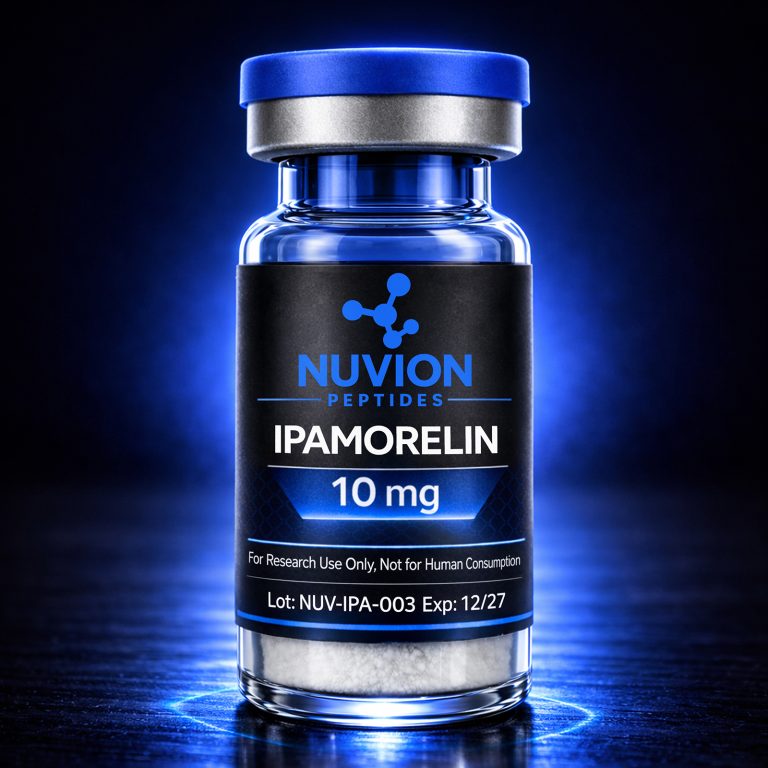
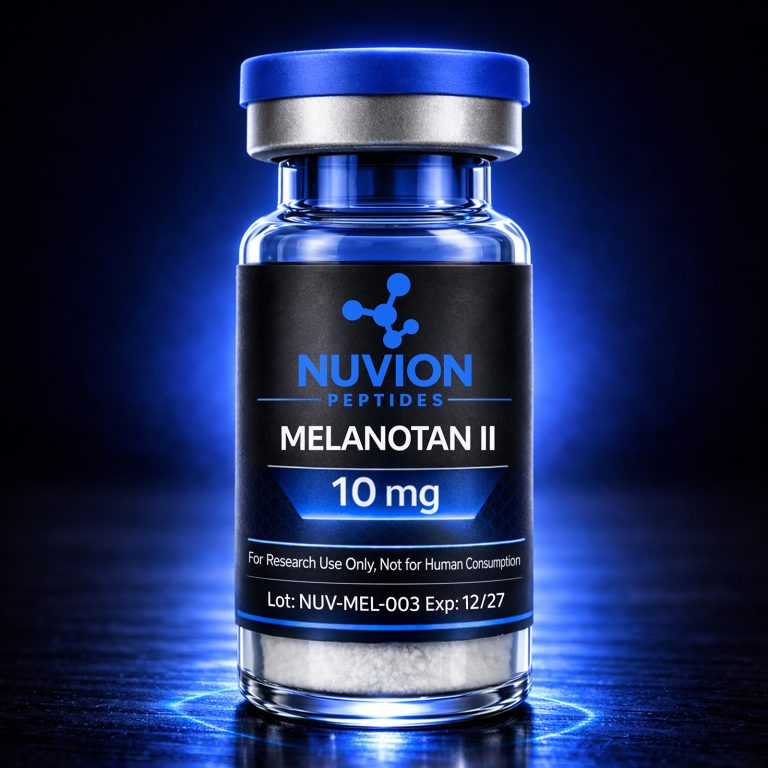
Nuvion Peptides, for instance, provides current, third-party verified COAs with every research peptide order, reflecting a commitment to transparency and scientific rigor. This practice allows researchers to confidently assess the quality of their materials.
Third-Party Testing
Beyond internal quality control, some leading suppliers engage independent third-party laboratories to verify their peptide purity. This external validation adds another layer of trust and objectivity, confirming that the stated purity levels are accurate and unbiased. For researchers, third-party testing offers peace of mind, knowing that the CA peptides they acquire have been independently scrutinized.
Handling and Storage Best Practices for Peptides
Proper handling and storage are critical for maintaining the stability and efficacy of research peptides. Mishandling can lead to degradation, compromising experimental results and wasting valuable resources.
Storage Guidelines
- Lyophilized Peptides: Store dry, unopened vials at -20°C or below, away from light and moisture. This can preserve stability for several years.
- Reconstituted Peptides: Once reconstituted with a suitable solvent (e.g., sterile water, acetic acid solution, or bacteriostatic water), peptides are less stable. Store at 2-8°C for short periods (days to weeks) or aliquot and freeze at -20°C or -80°C for longer storage. Avoid repeated freeze-thaw cycles, which can degrade the peptide.
Reconstitution and Preparation
Careful reconstitution is essential:
- Allow the peptide vial to reach room temperature before opening to prevent condensation.
- Slowly add the chosen solvent to the vial, allowing it to run down the side to minimize foaming.
- Gently swirl or flick the vial to dissolve the peptide. Avoid vigorous shaking, which can denature some peptides.
- Filter sterilization may be necessary for cell culture applications, using a 0.22 µm syringe filter.
Always consult the specific peptide’s data sheet for detailed reconstitution and storage instructions, as optimal conditions can vary.
Sourcing Reliable CA Peptides for Your Research
The choice of supplier is a fundamental decision for any researcher working with peptides. A reliable Canadian supplier not only provides high-quality products but also offers support and adherence to local regulations. When evaluating Canadian peptide suppliers, consider the following:
- Transparency: Easy access to COAs and third-party test results.
- Product Range: Availability of a diverse catalogue to meet various research needs.
- Shipping: Fast, reliable, and discreet shipping within Canada.
- Customer Service: Knowledgeable support for technical inquiries.
- Compliance: Clear communication that products are for research use only.
Nuvion Peptides is a proud Canadian research-peptide and research-chemical store committed to providing high-purity compounds, backed by rigorous third-party testing, and shipping exclusively within Canada. We understand the specific needs of Canadian researchers and strive to be a trusted partner in your scientific endeavors.
Nuvion Peptides products are sold strictly for laboratory and research use only. Not for human or veterinary consumption, diagnosis, or treatment.
Frequently Asked Questions
What are CA peptides in a research context?
CA peptides refer to short chains of amino acids, synthesized and made available for scientific investigation and laboratory research within Canada. They are used to study biological functions, cellular mechanisms, and potential therapeutic targets, adhering to strict research-only guidelines.
How do researchers ensure the quality of CA peptides?
Researchers ensure peptide quality by sourcing from reputable Canadian suppliers who provide Certificates of Analysis (COAs) detailing purity (via HPLC) and molecular weight (via Mass Spectrometry). Many also look for suppliers who engage in independent third-party testing for additional verification.
Are peptides legal to purchase in Canada for research?
Yes, peptides are legal to purchase in Canada when explicitly designated and sold for laboratory and research use only. They are not intended for human or veterinary consumption, diagnosis, or treatment, and suppliers must adhere to these strict designations.
What are common research applications for peptides?
Common research applications for peptides include studying hormone regulation, neurotransmission, immune response modulation, cell signaling pathways, and exploring potential leads for drug discovery. They serve as valuable tools for mechanistic studies in various biological fields.
How should research peptides be stored?
Lyophilized (dry) research peptides should be stored at -20°C or colder, protected from light and moisture. Once reconstituted, peptides are less stable and should be refrigerated (2-8°C) for short-term use or aliquoted and frozen at -20°C to -80°C to avoid repeated freeze-thaw cycles for long-term storage.
Where can researchers find reliable CA peptide suppliers?
Researchers can find reliable CA peptide suppliers by looking for companies based in Canada that clearly state products are for research use only, provide transparent Certificates of Analysis, offer third-party testing, and have a track record of good customer service and discreet, fast shipping within Canada.