
Nuvion Protein: Comprehensive Research Guide (2026)
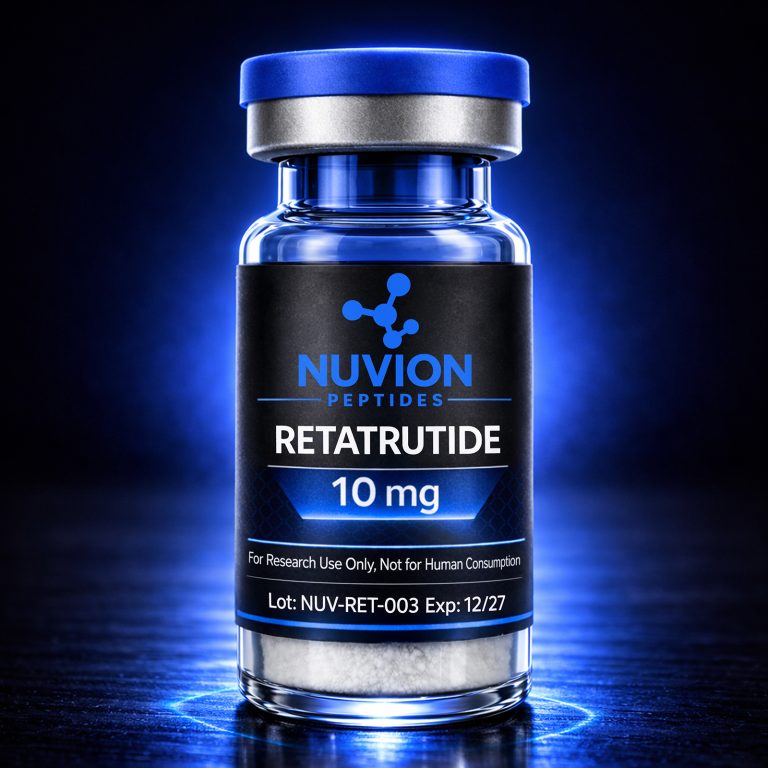
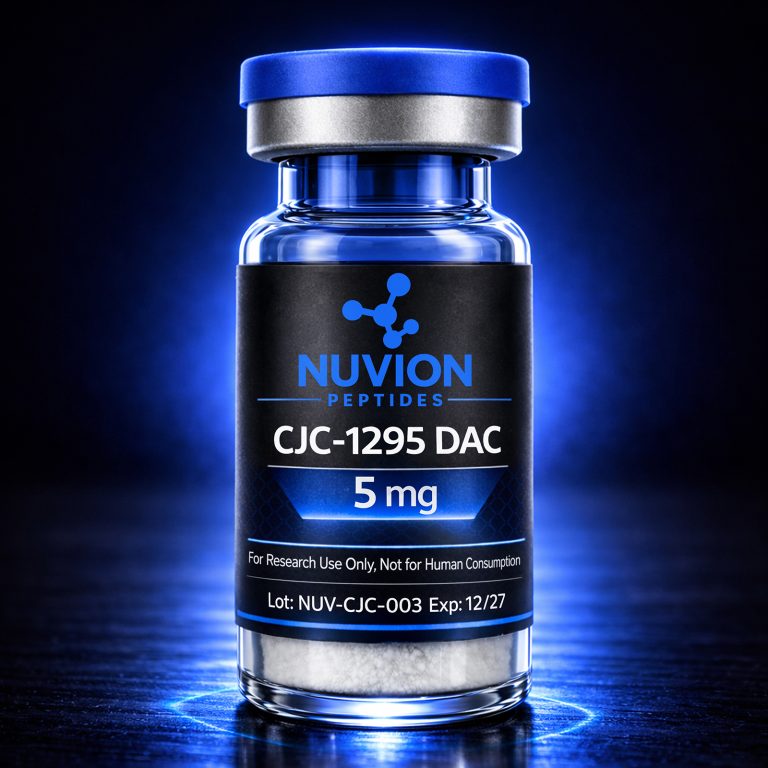
Nuvion Protein, a term often used in the context of advanced biological research, refers to specific peptide or protein compounds supplied by Nuvion Peptides for laboratory and experimental applications. These compounds are typically synthesized for their distinct biochemical properties and are utilized by researchers to investigate various physiological processes, cellular mechanisms, and potential preclinical applications, strictly within a controlled research environment. Understanding its precise molecular structure and intended research use is crucial for accurate experimental design and interpretation.
Understanding Nuvion Protein: Structure and Function
The term “Nuvion Protein” broadly encompasses a range of high-purity research peptides and smaller proteins offered by Nuvion Peptides, each with a unique amino acid sequence dictating its specific biological interactions. Unlike large, complex native proteins, many Nuvion offerings are synthetic peptides designed for targeted research. These compounds are meticulously synthesized to ensure high purity and structural integrity, which is paramount for reliable experimental outcomes. Researchers often study these compounds to understand their impact on specific receptors, enzyme pathways, or cellular signaling cascades. For instance, a Nuvion peptide might be investigated for its role in modulating inflammatory responses by interacting with specific immune cell receptors, or its influence on metabolic pathways by affecting hormone secretion. The functional aspect is entirely dependent on the specific compound’s sequence; some may mimic endogenous regulatory peptides, while others might be novel constructs designed to probe specific biological questions. Proper characterization of these compounds, including mass spectrometry and HPLC analysis, is essential for confirming their identity and purity, ensuring that researchers are working with a well-defined substance.
The precise mechanism of action for each individual Nuvion Protein variant is a key area of study. Some might act as agonists, binding to and activating cellular receptors, while others could function as antagonists, blocking receptor activity. Still others might serve as enzyme inhibitors or activators, directly influencing biochemical reaction rates. Researchers carefully select specific Nuvion Protein compounds based on the hypothesized biological target and the desired experimental outcome, whether it is to stimulate a particular cellular process, inhibit a pathological pathway, or simply observe baseline interactions within a biological system. The small size and defined structure of many Nuvion peptides make them valuable tools for dissecting complex biological systems, allowing for precise manipulation and observation of specific molecular events. This targeted approach is fundamental to advancing our understanding of disease states, normal physiological function, and the potential for novel therapeutic strategies, all within the confines of laboratory research.
Research Applications of Nuvion Protein
Nuvion Protein compounds find diverse applications across various fields of biological and biomedical research, serving as critical tools for scientists investigating complex biological phenomena. In cellular biology, these peptides are often used to probe cell signaling pathways, studying how specific amino acid sequences can influence cell proliferation, differentiation, or apoptosis. For example, a Nuvion peptide designed to mimic a growth factor might be applied to cell cultures to observe its effects on cell division rates and morphology. In neuroscience, researchers might use specific Nuvion Protein variants to explore their impact on neuronal activity, synaptic plasticity, or neuroprotection in models of neurodegenerative diseases. This could involve examining changes in neurotransmitter release or the survival of specific neuronal populations following exposure to the peptide.
Metabolic research also extensively utilizes Nuvion Protein compounds to investigate their roles in glucose homeostasis, lipid metabolism, and energy balance. Peptides that modulate insulin sensitivity or influence satiety signals are of particular interest in studies related to obesity and type 2 diabetes. Furthermore, in immunology, specific Nuvion peptides are employed to study immune response modulation, including their potential to suppress inflammation or enhance immune cell function. Researchers might assess cytokine production or immune cell trafficking in response to peptide administration. The versatility of these compounds allows for their integration into various experimental models, from in vitro cell culture studies to ex vivo tissue analyses and in vivo animal models, always strictly adhering to ethical guidelines and research protocols. The data derived from these studies contribute to a broader understanding of fundamental biological processes and can inform future drug discovery efforts, although Nuvion Peptides’ products are not intended for human or veterinary use.
Handling, Storage, and Reconstitution for Laboratory Use
Proper handling, storage, and reconstitution are critical steps for maintaining the integrity and efficacy of Nuvion Protein compounds in a research setting. Upon receipt, these lyophilized (freeze-dried) peptides should be stored in a cool, dark, and dry environment, typically at -20°C or colder, to prevent degradation. Exposure to heat, light, and moisture can compromise their stability and reduce their activity, leading to unreliable experimental results. Before reconstitution, allow the sealed vial to reach room temperature to prevent condensation, which can introduce moisture. The reconstitution process itself requires sterile technique to avoid contamination. Bacteriostatic water (BW) or sterile 0.9% sodium chloride solution are commonly used solvents, with the specific choice often depending on the peptide’s properties and the intended experimental application. For example, some peptides may require a slightly acidic or basic solution to ensure full solubility.
When reconstituting, gently add the solvent to the vial, allowing it to flow down the side to minimize foaming. Avoid vigorous shaking, which can denature delicate peptide structures. Instead, swirl the vial gently or allow it to stand at room temperature for a period to ensure complete dissolution. Once reconstituted, the peptide solution has a significantly reduced shelf life compared to its lyophilized form. It should be stored refrigerated (2-8°C) and typically used within a few weeks, depending on the specific peptide and its known stability. For longer-term storage of reconstituted solutions, aliquoting into smaller sterile vials and freezing at -20°C or colder can minimize freeze-thaw cycles and preserve potency. Each aliquot should be thawed only once for use. Accurate measurement and precise documentation of concentration, reconstitution date, and storage conditions are indispensable for reproducible research and to ensure the reliability of all experimental data involving Nuvion Protein compounds.
Sourcing Nuvion Protein in Canada: Evaluating Suppliers
When researchers in Canada seek to procure high-quality Nuvion Protein compounds for their laboratory studies, evaluating suppliers is a critical step to ensure product purity, consistency, and compliance. Nuvion Peptides stands as a reputable Canadian supplier, committed to providing research-grade materials exclusively for laboratory and research use. A primary criterion for evaluating any supplier is the availability of comprehensive third-party testing and Certificates of Analysis (CoAs) for each batch. These documents provide crucial data on purity (typically via HPLC) and identity (via Mass Spectrometry), giving researchers confidence in the integrity of the compounds they are utilizing. Transparency in testing is a hallmark of a trustworthy supplier, ensuring that what is advertised is what is delivered.
Beyond analytical data, researchers should consider a supplier’s reputation for customer service, shipping reliability within Canada, and adherence to responsible research chemical distribution practices. A supplier like Nuvion Peptides focuses specifically on serving the Canadian research community, understanding the logistical and regulatory nuances involved in domestic distribution. This ensures that orders are processed efficiently and delivered in a timely manner, maintaining product stability during transit. Furthermore, a commitment to clear labeling, accurate product descriptions, and an unambiguous disclaimer regarding research-only use are non-negotiable. For a deeper understanding of what to look for when choosing a supplier, researchers may find value in reviewing our guide on Buy Peptides Canada: Research Sourcing Guide. Similarly, insights into Nuvion Peptides’ specific quality assurance protocols can be found in the Nuvion Peptides Canada: Research Standards & Quality (2026) article. These resources underscore the importance of due diligence in selecting a supplier to ensure that all Nuvion Protein compounds meet the rigorous standards required for scientific investigation.
All products from Nuvion Peptides are sold strictly for laboratory and research use only, not for human or veterinary consumption, diagnosis, or treatment.
Frequently Asked Questions
What is Nuvion Protein used for in research?
Nuvion Protein compounds are utilized in research to investigate various biological processes, cellular mechanisms, and preclinical applications, such as studying cell signaling, metabolic pathways, and immune responses.
How should Nuvion Protein compounds be stored?
Lyophilized Nuvion Protein should be stored at -20°C or colder in a cool, dark, and dry environment. Once reconstituted, solutions should be refrigerated at 2-8°C and used within a few weeks, or aliquoted and frozen for longer storage.
Where can researchers source Nuvion Protein in Canada?
Researchers in Canada can source Nuvion Protein compounds from specialized suppliers like Nuvion Peptides, which provides research-grade materials with third-party testing and Certificates of Analysis.
What analytical data should accompany Nuvion Protein products?
High-quality Nuvion Protein products should be accompanied by third-party testing data, including HPLC for purity and Mass Spectrometry for identity, provided in a Certificate of Analysis.
Is Nuvion Protein intended for human use?
No, Nuvion Protein compounds are sold strictly for laboratory and research use only and are not intended for human or veterinary consumption, diagnosis, or treatment.