
Sourcing Research Peptides in Canada: A Comprehensive Guide
When seeking a reliable peptide source in Canada for laboratory research, it is crucial to prioritize suppliers who demonstrate stringent quality control, provide transparent third-party testing, and maintain compliance with research-only guidelines. Researchers should evaluate factors such as peptide purity, verification of identity, and secure shipping protocols to ensure the integrity and efficacy of their studies.
Understanding Research Peptides and Canadian Sourcing
Research peptides are short chains of amino acids utilized extensively in scientific inquiry to investigate biological functions, potential therapeutic targets, and various physiological processes. In Canada, the availability and regulatory landscape for these compounds dictate that they are sold strictly for laboratory and research use, not for human or veterinary consumption. This distinction is paramount for both suppliers and researchers.
Sourcing peptides within Canada offers several advantages, including faster shipping times, avoidance of international customs complexities, and often, more straightforward communication with suppliers who understand the local research environment. However, not all suppliers operate with the same level of commitment to quality or transparency. Therefore, a discerning approach to vendor selection is non-negotiable for maintaining research integrity.
Key Criteria for Evaluating a Canadian Peptide Source
Choosing the right supplier is foundational to successful research outcomes. For researchers in Canada, several critical factors must be rigorously assessed when evaluating potential peptide sources.
Purity and Third-Party Testing
The purity of a research peptide directly impacts the reliability and reproducibility of experimental results. Reputable Canadian peptide sources will consistently provide documentation of their product’s purity, typically through High-Performance Liquid Chromatography (HPLC) and Mass Spectrometry (MS) reports. These certificates of analysis (COAs) should be available for each batch, demonstrating verification by an independent third-party laboratory. Transparency in testing is a hallmark of a trustworthy supplier.
Manufacturing Standards and Quality Control
The synthesis and handling of research peptides require meticulous attention to detail to prevent contamination and degradation. A reliable Canadian supplier will adhere to robust quality control measures throughout their manufacturing and packaging processes. This includes proper storage conditions, sterile handling, and appropriate packaging to maintain peptide stability during transit.
Product Range and Availability
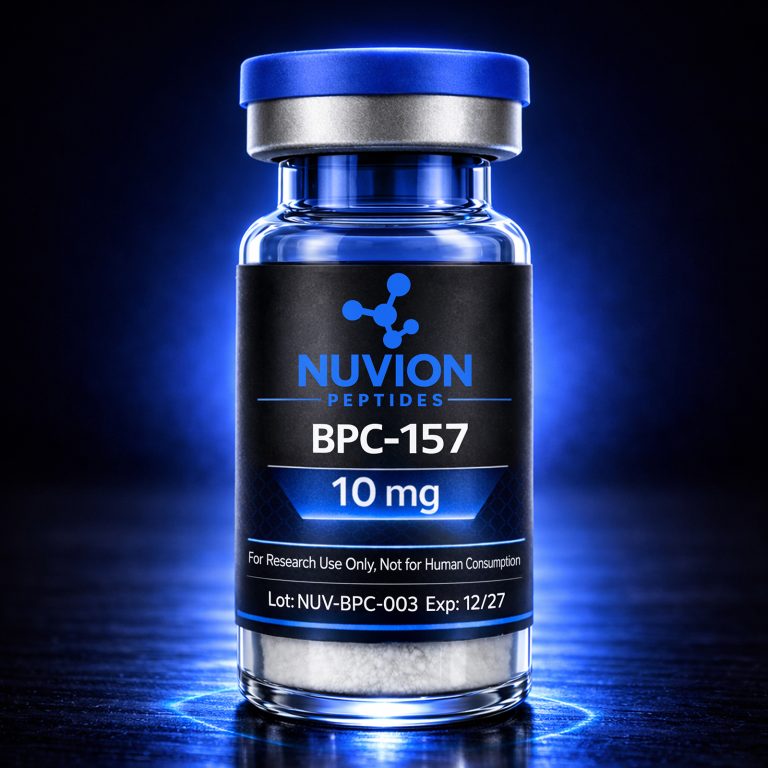
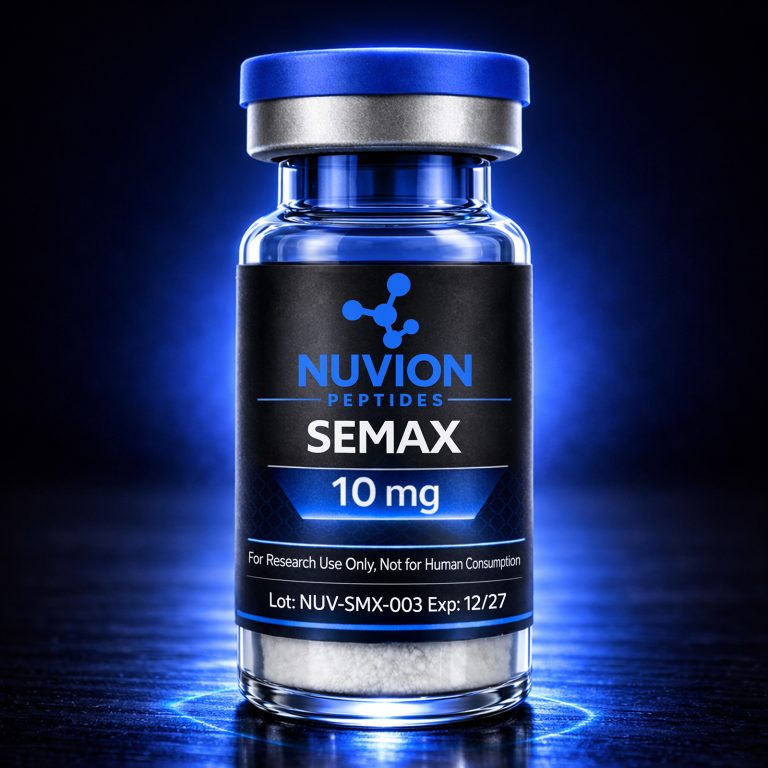
While not directly tied to quality, a broad and consistently stocked product range can be an indicator of a well-established and professional peptide source. It allows researchers to consolidate their procurement, ensuring consistency across various compounds needed for their studies. Look for suppliers who regularly update their inventory and can reliably provide the specific peptides required for your research. Nuvion Peptides offers a comprehensive catalogue of research-grade compounds for the Canadian scientific community.
Customer Support and Research-Oriented Resources
Effective customer support is invaluable for researchers who may have questions about product specifications, reconstitution protocols, or shipping details. A good Canadian peptide source will offer knowledgeable support staff who can provide accurate, research-focused information. Additionally, access to educational resources, such as reconstitution guides or detailed compound profiles, further enhances the value proposition of a supplier.
The Importance of Compliance and Research-Use Only Directives
Operating within the regulatory framework for research chemicals is critical for both suppliers and researchers in Canada. Suppliers like Nuvion Peptides explicitly state that their products are for laboratory and research use only, emphasizing that they are not for human consumption, diagnosis, or treatment. This commitment to compliance safeguards the scientific community and helps prevent misuse of these compounds.
Researchers bear the responsibility of understanding and adhering to these directives. Using research peptides outside of their intended purpose can have serious legal and ethical implications. Always ensure your research protocols align with the explicit ‘research use only’ designation provided by your supplier.
Comparing Canadian Peptide Suppliers
When comparing different Canadian peptide sources, a structured approach is beneficial. Consider creating a checklist based on the criteria outlined above. A transparent supplier will make it easy to find information regarding their purity testing, quality control, and compliance statements. Here is a simplified comparison table:
| Feature | Reputable Canadian Supplier (e.g., Nuvion Peptides) | Lesser-Known / Unverified Supplier |
|---|---|---|
| Third-Party COAs (HPLC/MS) | Routinely provided for every batch | Often absent or outdated |
| Purity Levels | Typically >98% advertised and verified | Vague claims, no verification |
| Shipping & Packaging | Secure, discrete, temperature-controlled (if needed), Canada-only | Inconsistent, potential customs issues, vague origin |
| Customer Service | Responsive, knowledgeable, research-focused | Slow, unhelpful, or generic responses |
| Compliance Statement | Clear ‘For Research Use Only’ disclaimer | Ambiguous or absent disclaimers |
| Website Professionalism | Well-structured, informative, transparent | Poorly designed, lacking essential information |
For a deeper dive into evaluating Canadian research peptide suppliers, you can refer to our guide on Nuvion Peptides: Canada’s Trusted Research Supplier.
Ensuring Safe Handling and Storage of Research Peptides
Once you have identified a reliable peptide source in Canada and received your compounds, proper handling and storage are paramount to maintaining their stability and potency. Most research peptides are lyophilized (freeze-dried) and should be stored in a cool, dark, and dry environment, ideally at -20°C or colder, until reconstitution. Exposure to light, heat, and moisture can lead to degradation.
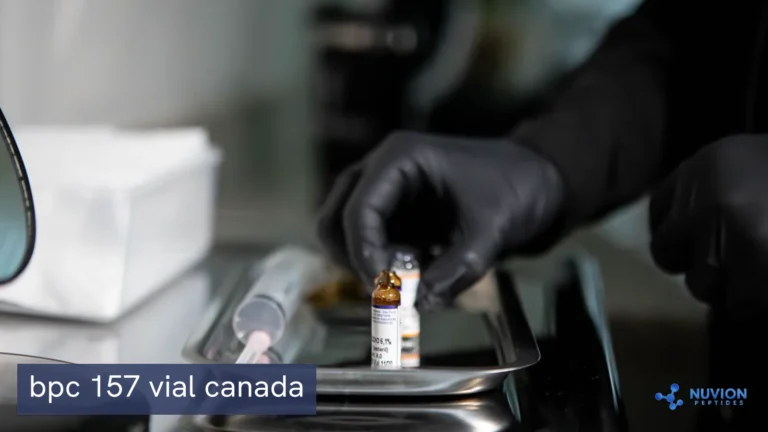
When reconstituting, use sterile bacteriostatic water and follow precise measurements to achieve desired concentrations. Always wear appropriate personal protective equipment (PPE) and work in a sterile environment to prevent contamination. Reconstituted peptides typically have a shorter shelf life and should be stored refrigerated (2-8°C) for short-term use or frozen in aliquots for longer storage, minimizing freeze-thaw cycles.
All products sold by Nuvion Peptides are strictly for laboratory and research use only, and are not intended for human or veterinary consumption, diagnosis, or treatment.
Frequently Asked Questions
What is the best peptide source in Canada for researchers?
The best peptide source in Canada for researchers is one that provides transparent third-party purity testing (HPLC/MS), maintains high manufacturing standards, offers a clear ‘for research use only’ disclaimer, and has responsive customer support. Prioritize suppliers with a strong reputation for quality and compliance.
How can I verify the purity of peptides from a Canadian supplier?
You can verify peptide purity by requesting and reviewing the supplier’s Certificates of Analysis (COAs), which should include High-Performance Liquid Chromatography (HPLC) and Mass Spectrometry (MS) reports from an independent third-party laboratory for each batch. Reputable Canadian sources make these readily available.
Do Canadian peptide suppliers ship internationally?
Most legitimate Canadian peptide suppliers, including Nuvion Peptides, focus exclusively on shipping within Canada to ensure compliance with local regulations and to simplify logistics for Canadian researchers. International shipping is typically not offered for research peptides.
What information should a reliable Canadian peptide source provide?
A reliable Canadian peptide source should provide comprehensive product descriptions, transparent third-party COAs for purity and identity, clear ‘for research use only’ disclaimers, proper storage and reconstitution guidelines, and accessible customer support for research-related inquiries.