Where Can I Buy Peptides in Canada? Research Guide 2026
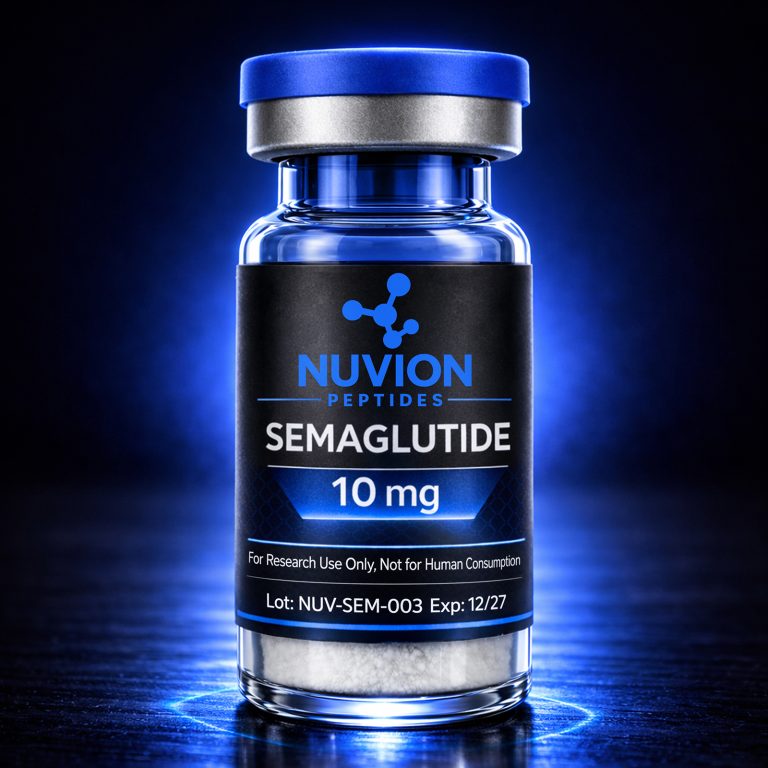
For researchers in Canada, sourcing high-quality peptides involves identifying specialized suppliers who adhere to strict laboratory-use-only guidelines and provide comprehensive product transparency. Nuvion Peptides, for instance, focuses on providing research-grade peptides exclusively within Canada, ensuring controlled access for scientific study and experimental applications.
Understanding Research-Grade Peptides
Research-grade peptides are compounds synthesized for scientific investigation, distinct from those intended for human therapeutic use. Their primary application lies in laboratory settings where scientists explore their mechanisms of action, potential physiological effects, and biochemical interactions. These peptides are produced with a high degree of purity, typically verified through techniques like High-Performance Liquid Chromatography (HPLC) and Mass Spectrometry (MS). Researchers rely on these purity reports, often provided as Certificates of Analysis (CoAs), to ensure experimental consistency and validity. The synthesis process itself is complex, involving the precise linking of amino acids in a specific sequence to form the desired peptide chain. Any deviation in this sequence or the presence of impurities can significantly alter the peptide’s properties and, consequently, the outcome of research studies. Therefore, understanding the production and quality control measures of a supplier is paramount when considering where to acquire these sensitive compounds for your work.
The distinction between research-grade and pharmaceutical-grade compounds is critical. Pharmaceutical-grade peptides undergo rigorous clinical trials and regulatory approvals for human use, a process that is entirely separate from the sourcing of research chemicals. Nuvion Peptides, like other reputable suppliers in this niche, explicitly states that its products are not for human consumption, diagnosis, or treatment. This ensures that researchers operate within ethical and legal frameworks, using compounds solely for their intended scientific purposes. The intricate nature of peptide structure and function necessitates a meticulous approach to sourcing, where the integrity of the compound directly impacts the reliability of experimental data. Choosing a supplier that prioritizes analytical verification and transparently shares these results empowers researchers to proceed with confidence in their studies.
Key Criteria for Canadian Peptide Suppliers
When seeking a supplier for research peptides in Canada, several critical factors must be evaluated to ensure both the quality of the compounds and compliance with research standards. First and foremost is the commitment to third-party testing. Reputable suppliers will provide a Certificate of Analysis (CoA) for each batch, detailing the peptide’s purity (often via HPLC) and identity (via MS). This independent verification is a cornerstone of trust, assuring researchers that the product received matches the stated specifications. Without verifiable third-party testing, the integrity of research findings can be compromised, leading to unreliable data and wasted resources.
Another crucial criterion is the supplier’s focus on laboratory and research use only. This clarity in product application is not merely a disclaimer but a fundamental aspect of responsible sourcing within the research chemicals sector. Suppliers who blur the lines or imply therapeutic benefits for humans should be avoided. A dedicated Canadian research peptide supplier will clearly communicate the intended use of their products, fostering an environment of ethical scientific inquiry. Furthermore, transparent pricing and clear shipping policies are essential. Researchers need to understand the total cost and expected delivery timelines without hidden fees or ambiguous terms. Given the sensitive nature of these compounds, discreet and secure packaging is also a common expectation, protecting the product during transit and maintaining privacy.
Finally, customer support and clear communication are invaluable. The ability to ask technical questions about product specifications, storage, or reconstitution, and receive informed responses, speaks volumes about a supplier’s expertise and dedication to the research community. A supplier that is difficult to contact or provides vague answers may indicate a lack of robust internal processes or scientific understanding. Evaluating these criteria rigorously helps establish a reliable and compliant supply chain for your research needs.
Navigating the Canadian Research Peptides Market
The Canadian market for research peptides is distinct, shaped by national regulations and the specific needs of its scientific community. Researchers must understand that while a variety of peptides are available, they are strictly intended for laboratory experimentation and not for human or veterinary use. This distinction is vital for maintaining compliance and ethical research practices. When exploring options, consider suppliers who are physically located and operate within Canada. This often simplifies shipping logistics, reduces potential customs delays, and ensures that the supplier is familiar with the local regulatory landscape, even if it pertains to research-only substances.
Online presence and reputation play a significant role in navigating this market. Look for websites that are professional, provide detailed product descriptions, and transparently outline their quality control measures. While online forums and communities can offer anecdotal experiences, always cross-reference information with a supplier’s official documentation, such as their CoAs. Be wary of suppliers who make any claims that venture into therapeutic or medical applications for their products; this is a clear red flag in the research chemical space. A guide to research peptide sourcing in Canada will emphasize the importance of due diligence, not only in product selection but also in supplier vetting.
Payment and shipping methods also warrant attention. Secure payment gateways and reliable, tracked shipping are standard expectations. Given the delicate nature of peptides, particularly those requiring cold storage, understanding the supplier’s packaging and delivery protocols is crucial to ensure product integrity upon arrival. The Canadian research landscape benefits from a focused approach to sourcing, where suppliers like Nuvion Peptides dedicate themselves to serving the scientific community with high-purity compounds under strict research-only conditions, fostering an environment where legitimate scientific inquiry can thrive without ambiguity.
Ensuring Quality and Compliance in Peptide Sourcing
Ensuring the quality and compliance of research peptides is paramount for any scientific endeavor. The foundation of quality assurance rests on rigorous analytical testing, primarily HPLC and Mass Spectrometry, which confirm both the purity and the molecular identity of the synthesized peptide. A high-quality supplier will not only perform these tests but will also make the Certificates of Analysis (CoAs) readily available for each batch. This transparency allows researchers to verify that the peptide they receive meets the specified purity levels and is indeed the compound they intended to order. Any reputable supplier understands that the absence of a CoA or the provision of outdated or generic reports is a significant red flag, undermining the trustworthiness of their products.
Beyond analytical data, compliance in the research peptide market means adhering strictly to the ‘for laboratory and research use only’ dictum. This is not a casual suggestion but a fundamental ethical and legal boundary. Suppliers must explicitly state this on all product packaging, documentation, and website content. Any implication of human or veterinary therapeutic use immediately disqualifies a supplier as a legitimate source for research chemicals. Researchers themselves bear the responsibility of using these compounds solely for their intended purpose, conducting experiments in controlled laboratory environments, and handling them according to established safety protocols.
Furthermore, proper storage and handling instructions are integral to maintaining peptide quality. Peptides are often sensitive to temperature, light, and moisture, and improper storage can lead to degradation, rendering them unsuitable for accurate research. A quality supplier will provide clear guidelines on how to store and reconstitute their products, ensuring their stability and potency over time. This holistic approach to quality and compliance, from synthesis and testing to transparent documentation and responsible distribution, forms the bedrock of reliable research peptide sourcing. It protects both the researcher and the integrity of scientific discovery, making an informed choice of supplier a critical step in any peptide-related study.
Nuvion Peptides products are sold strictly for laboratory and research use only, not for human or veterinary consumption, diagnosis, or treatment.
Frequently Asked Questions
Where can I purchase research peptides in Canada?
Researchers in Canada can purchase peptides from specialized online suppliers like Nuvion Peptides who focus on laboratory-grade compounds and provide third-party purity testing.
What should I look for in a Canadian peptide supplier?
Key factors include transparent third-party Certificates of Analysis, a clear ‘for research use only’ policy, secure payment, reliable shipping, and responsive customer support.
Are peptides sold in Canada for human use?
No, peptides sold by research chemical suppliers in Canada are strictly for laboratory and research purposes only and are not intended or approved for human consumption, diagnosis, or treatment.
How is peptide quality verified by suppliers?
Reputable suppliers verify peptide quality through independent third-party testing using methods such as High-Performance Liquid Chromatography (HPLC) for purity and Mass Spectrometry (MS) for identity.
What is a Certificate of Analysis for peptides?
A Certificate of Analysis (CoA) is a document from a third-party lab detailing the purity, identity, and other specifications of a peptide batch, confirming its quality for research.