
Healing Peptides Canada: Research Guide & Sourcing (2026)
Healing peptides represent a class of short-chain amino acid compounds investigated for their potential roles in tissue repair, regeneration, and anti-inflammatory processes, making them a significant area of focus in Canadian laboratory research. These compounds are studied for their mechanisms in promoting cellular repair, collagen synthesis, and modulating immune responses in various biological systems.
Understanding Healing Peptides and Their Mechanisms
Healing peptides are biomolecules that interact with specific receptors and signaling pathways within the body to facilitate recovery and regeneration. Unlike larger proteins, their smaller size allows for diverse biological activities, often acting as signaling molecules. Researchers are particularly interested in their capacity to influence cellular proliferation, differentiation, and migration, which are critical processes in wound healing and tissue repair. Many healing peptides exhibit anti-inflammatory properties, which can mitigate damage and create a more conducive environment for regeneration. For instance, some peptides stimulate the production of growth factors, while others directly enhance extracellular matrix remodeling. The precise mechanisms vary by peptide, but common themes include modulation of cytokine expression, recruitment of stem cells, and protection against oxidative stress. Understanding these intricate pathways is crucial for researchers investigating their therapeutic potential. The study of these mechanisms often involves advanced cell culture techniques, animal models, and biochemical assays to observe their effects on gene expression, protein synthesis, and physiological outcomes. The complexity of these interactions underscores the need for rigorous scientific inquiry in a controlled laboratory setting.
Key areas of investigation include how these peptides regulate angiogenesis (new blood vessel formation), fibroblast activity (collagen production), and immune cell function. For example, some peptides have been shown to accelerate the resolution of inflammation, preventing chronic inflammatory states that hinder healing. Others directly interact with cellular components to enhance their resilience against damage. The diverse nature of healing peptides means that each compound offers unique research avenues. Researchers in Canada are actively exploring these compounds to unravel their full potential, contributing to a growing body of scientific literature. The rigorous approach taken by Canadian researchers ensures that data on these peptides is robust and contributes meaningfully to the broader understanding of regenerative biology.
Key Healing Peptides for Laboratory Research
Several peptides are particularly prominent in research focused on healing and regeneration. These compounds are studied for their distinct biological activities and potential applications in various research models.
BPC-157 (Body Protection Compound-157)
BPC-157 is a synthetically produced peptide chain composed of 15 amino acids, derived from a natural gastric protein. It has garnered significant attention in research due to its broad spectrum of regenerative and protective properties. Studies have explored its effects on various tissues, including tendons, ligaments, muscles, and the gastrointestinal tract. Researchers investigate BPC-157’s ability to promote angiogenesis, stimulate growth factor expression, and modulate inflammatory responses, all of which are crucial for tissue repair. Its potential to accelerate wound healing and protect against organ damage has made it a subject of intense scientific inquiry. Research suggests BPC-157 may exert its effects through multiple pathways, including the upregulation of nitric oxide synthesis and interaction with the somatotropic axis. For a deeper dive into this compound, researchers can consult our BPC-157 Vial Canada: Research Peptide Guide (2026).
GHK-Cu (Copper Peptide)
GHK-Cu is a naturally occurring copper complex that plays a vital role in wound healing and skin regeneration. This tripeptide, glycine-histidine-lysine, binds readily with copper ions to form GHK-Cu. Research indicates that GHK-Cu can stimulate collagen and elastin production, improve antioxidant defense, and promote angiogenesis. Its regenerative properties are extensively studied in dermatology research, where it shows promise in improving skin elasticity and reducing photodamage. Beyond skin, GHK-Cu is also investigated for its potential anti-inflammatory and tissue repair effects in other contexts, including nerve regeneration and hair growth. The copper component is crucial for its biological activity, acting as a cofactor for various enzymes involved in tissue remodeling. Researchers often examine GHK-Cu’s impact on gene expression related to tissue repair and its ability to scavenge free radicals. Further details on sourcing can be found in our GHK-Cu Peptide Supplier Canada: Research Sourcing Guide (2024).
Thymosin Beta-4 (TB-500)
Thymosin Beta-4 is a naturally occurring peptide found in virtually all human and animal cells. It is a primary actin-sequestering protein, meaning it plays a crucial role in regulating cell structure and motility. In research, TB-500 is studied for its significant role in tissue repair, regeneration, and anti-inflammatory processes. It promotes cell migration, enhances angiogenesis, and can protect cells from apoptosis. Researchers investigate its potential applications in cardiac repair, neurological recovery, and wound healing, particularly in contexts where cellular regeneration is compromised. TB-500’s ability to promote stem cell differentiation and recruit progenitor cells to sites of injury makes it a compelling subject for regenerative medicine research. Its mechanism involves direct interaction with actin, influencing cytoskeletal dynamics that are fundamental to cellular processes like migration and proliferation. Studies often explore its effects on various organ systems to understand its full regenerative scope.
Sourcing Healing Peptides in Canada for Research
For Canadian researchers, sourcing high-quality healing peptides is paramount for the integrity and reproducibility of their studies. The market for research chemicals in Canada operates under specific regulations, emphasizing that these compounds are strictly for laboratory and research use, not for human or veterinary consumption. When evaluating suppliers, several key factors must be considered to ensure product purity, potency, and compliance.
Firstly, transparency in manufacturing and quality control is critical. Reputable Canadian suppliers provide detailed Certificates of Analysis (COAs) for each batch, typically including data from third-party analytical testing such as High-Performance Liquid Chromatography (HPLC) and Mass Spectrometry (MS). These reports verify the peptide’s identity, purity, and absence of contaminants, offering researchers confidence in the material they are using. Without verifiable third-party testing, the reliability of research outcomes can be severely compromised.
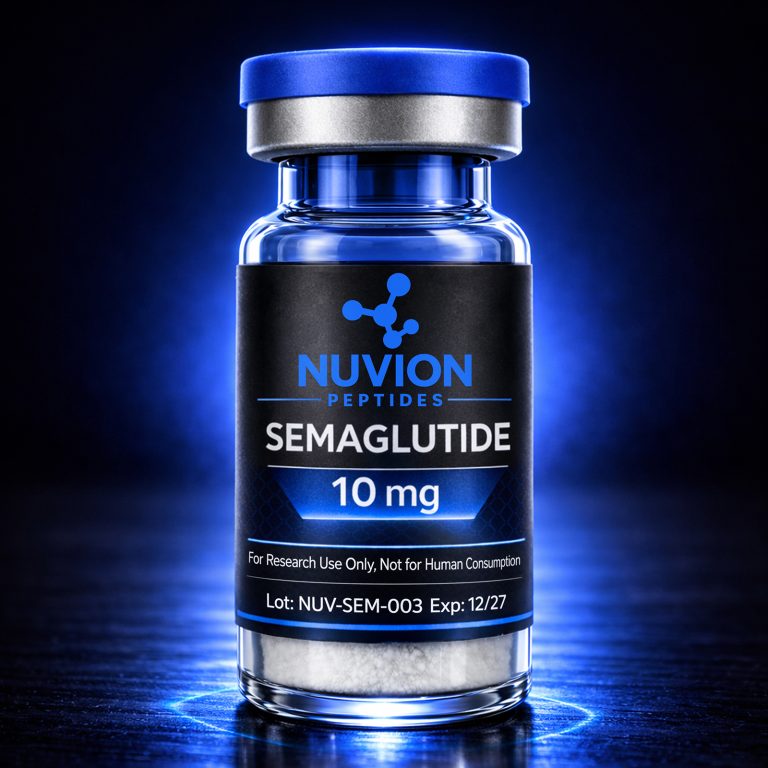
Secondly, understanding the supplier’s commitment to research-grade products is important. This means ensuring that peptides are synthesized under controlled conditions, properly handled during packaging, and stored to maintain stability. Packaging should be secure, often vacuum-sealed, and clearly labeled with batch numbers and expiration dates. For sensitive peptides, cold chain shipping might be necessary to preserve their integrity during transit. Nuvion Peptides, for example, specializes in providing research-grade peptides to Canadian laboratories, ensuring rigorous quality control and clear documentation.
Finally, customer support and responsiveness are important for addressing any queries regarding product specifications, storage, or reconstitution. A knowledgeable supplier can provide valuable guidance to researchers, ensuring optimal handling and preparation of these sensitive compounds. Researchers should also be aware of shipping policies and lead times, especially when working with time-sensitive experiments. The due diligence in supplier selection directly impacts the validity and success of research projects involving healing peptides.
Research Applications and Ethical Considerations
The research applications for healing peptides are diverse, spanning multiple fields of biological and medical science. In vitro studies often explore the effects of these peptides on cell lines, investigating their impact on cell proliferation, migration, differentiation, and gene expression. Animal models are frequently employed to study their efficacy in wound healing, tissue regeneration, and disease modulation, providing insights into their pharmacokinetic and pharmacodynamic profiles in a living system. Research areas include cardiology (e.g., myocardial repair), neurology (e.g., neuroprotection and regeneration), orthopedics (e.g., tendon and ligament repair), and gastroenterology (e.g., gut mucosal integrity).
However, alongside the promising research avenues, ethical considerations are paramount. All research involving peptides must adhere to strict ethical guidelines, particularly when using animal models. This includes obtaining appropriate institutional approvals, minimizing animal suffering, and ensuring that research is conducted by trained personnel. The translation of preclinical findings to human applications requires extensive further research, including robust clinical trials, which are beyond the scope of laboratory research chemical suppliers. Researchers must maintain a clear distinction between experimental findings and therapeutic claims, ensuring that no medical advice or treatment recommendations are implied or made based on research chemical data.
It is crucial for researchers to understand that products like healing peptides, when purchased from research chemical suppliers, are intended solely for scientific investigation. They are not approved for human or veterinary use, and any deviation from this intended purpose is a misuse of the product. Responsible research practices dictate careful handling, accurate record-keeping, and strict adherence to all laboratory safety protocols. The scientific community relies on the integrity of research, and ethical conduct is a cornerstone of this integrity. These peptides offer powerful tools for advancing our understanding of biological processes, but their use must always be within the bounds of responsible and ethical scientific inquiry.
Nuvion Peptides products are sold strictly for laboratory and research use only, not for human or veterinary consumption, diagnosis, or treatment.
Frequently Asked Questions
What are healing peptides?
Healing peptides are small chains of amino acids studied for their ability to promote tissue repair, regeneration, and reduce inflammation in various biological systems. They act as signaling molecules to influence cellular processes critical for recovery.
How do healing peptides work in research?
In research, healing peptides are investigated for their mechanisms of action, which often involve stimulating growth factors, modulating immune responses, enhancing cell migration, and promoting collagen synthesis. These actions contribute to their regenerative properties.
Are healing peptides legal to buy in Canada for research?
Yes, healing peptides can be legally purchased in Canada by researchers for legitimate laboratory and research purposes only. They are not approved for human or veterinary consumption, diagnosis, or treatment.
Which healing peptides are commonly researched?
Commonly researched healing peptides include BPC-157, known for its tissue repair and anti-inflammatory properties; GHK-Cu, studied for skin regeneration and wound healing; and Thymosin Beta-4, investigated for its role in cell migration and angiogenesis.
How can Canadian researchers ensure peptide quality?
Canadian researchers can ensure peptide quality by sourcing from reputable suppliers who provide third-party Certificates of Analysis (COAs) for each batch, verifying purity, identity, and absence of contaminants via HPLC and MS testing.
What are the ethical considerations for using healing peptides in research?
Ethical considerations include strict adherence to research-only guidelines, obtaining appropriate institutional approvals for animal studies, minimizing animal suffering, and ensuring research is conducted by trained personnel, without making therapeutic claims.