Semaglutide Peptide Canada: Comprehensive Research Guide (2026)
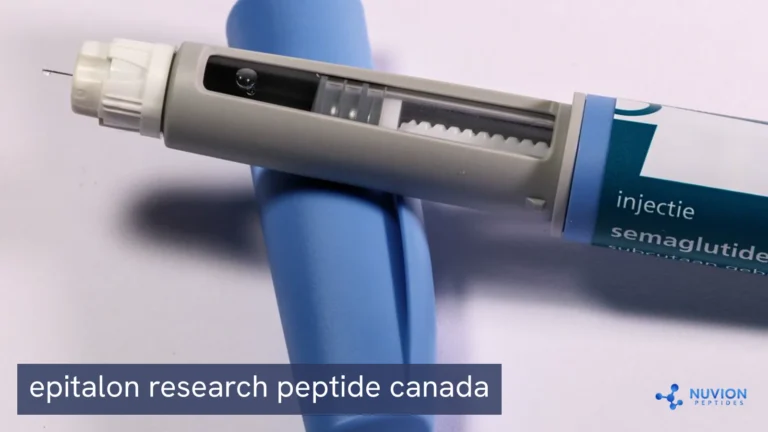
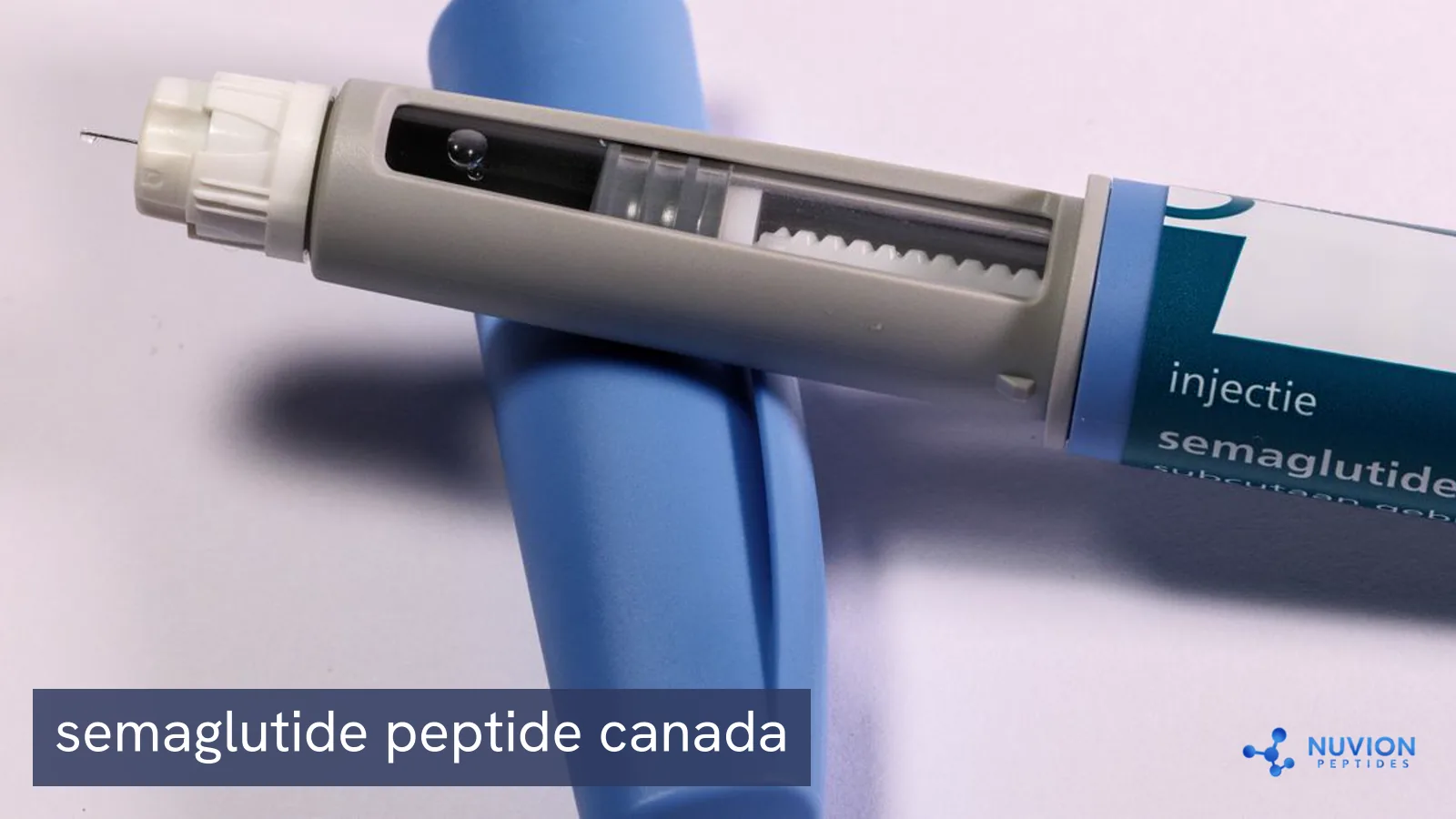
Semaglutide is a synthetic glucagon-like peptide-1 (GLP-1) receptor agonist, primarily investigated in research settings for its role in metabolic regulation, particularly glucose homeostasis and appetite control. In Canada, researchers can procure semaglutide peptide strictly for laboratory and research use, adhering to all domestic regulations governing research chemical acquisition and handling.
Semaglutide Peptide: Definition and Mechanism of Action
Semaglutide is an analog of human GLP-1, a naturally occurring incretin hormone. As a GLP-1 receptor agonist, it mimics the action of endogenous GLP-1, but with a significantly extended half-life due to modifications such as C18 fatty diacid chain attachment and amino acid substitutions, which enhance its binding to albumin and protect it from enzymatic degradation by dipeptidyl peptidase-4 (DPP-4). This extended action is crucial for its sustained effects in research models. The primary mechanism involves binding to and activating GLP-1 receptors found in various tissues, including pancreatic beta cells, the gastrointestinal tract, and the central nervous system. Activation of these receptors in the pancreas stimulates glucose-dependent insulin secretion, meaning insulin is released only when blood glucose levels are elevated, thereby reducing the risk of hypoglycemia. Additionally, semaglutide suppresses glucagon secretion, particularly postprandially, further contributing to improved glucose control. Beyond direct pancreatic effects, research indicates that semaglutide delays gastric emptying, which helps to flatten post-meal glucose excursions and enhance satiety. In the brain, GLP-1 receptors are implicated in appetite regulation, and agonism by semaglutide is hypothesized to reduce food intake and promote weight loss in various animal models by influencing satiety centers. These multifaceted actions make semaglutide a compelling subject for metabolic research, exploring its potential implications beyond its established clinical uses. Researchers meticulously study these mechanisms to understand the full spectrum of its physiological impact and potential applications in future therapeutic strategies. The sustained receptor activation by semaglutide, compared to endogenous GLP-1, allows for less frequent administration in research protocols, an important consideration for experimental design and resource management. This prolonged action is a direct result of its modified structure, which effectively evades rapid enzymatic degradation and enhances its affinity for albumin, slowing its renal clearance. Understanding these pharmacokinetic advantages is critical for designing effective research studies and interpreting results correctly. The specific structural modifications also contribute to its high selectivity for the GLP-1 receptor, minimizing off-target effects and providing a cleaner pharmacological profile for investigation.
Research Applications of Semaglutide in Laboratory Settings
The research utility of semaglutide extends across several critical areas within metabolic and physiological studies. One primary focus is its impact on glucose metabolism and insulin sensitivity. Researchers employ semaglutide in animal models to investigate its effects on fasting and postprandial glucose levels, insulin resistance, and the progression of conditions mirroring type 2 diabetes. Studies often involve evaluating pancreatic beta-cell function and mass, as GLP-1 receptor agonists are known to potentially preserve or even enhance beta-cell viability. Beyond glucose regulation, a significant area of investigation involves semaglutide’s role in weight management. In preclinical models, semaglutide consistently demonstrates reductions in body weight and fat mass, prompting extensive research into the underlying neurological and hormonal pathways that mediate these effects, such as altered gut hormone secretion and central nervous system signaling pathways related to satiety and reward. Furthermore, emerging research explores the cardiovascular and renal protective properties of GLP-1 receptor agonists, including semaglutide. Studies examine its influence on blood pressure, lipid profiles, and markers of kidney function in various disease models. The anti-inflammatory and neuroprotective effects of semaglutide are also subjects of ongoing inquiry, with researchers exploring its potential in conditions like non-alcoholic fatty liver disease (NAFLD) and neurodegenerative disorders. The precise, targeted action of semaglutide makes it an invaluable tool for dissecting complex metabolic pathways and evaluating novel therapeutic hypotheses in a controlled laboratory environment. For researchers interested in comparative studies, exploring other metabolic peptides like BPC-157 can offer further insights into diverse physiological regulation.
Sourcing High-Purity Semaglutide in Canada for Research
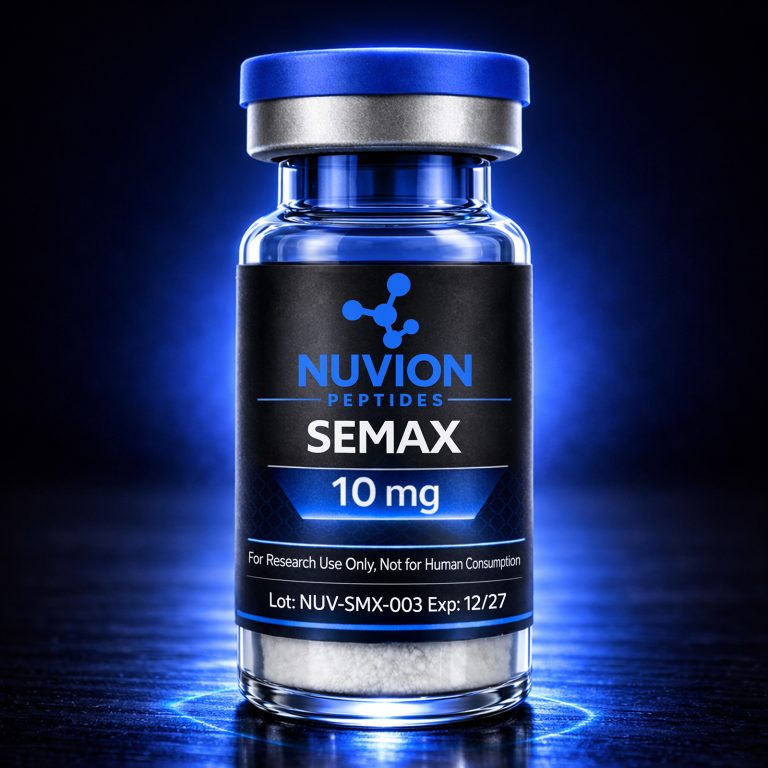
For Canadian researchers, securing high-purity semaglutide peptide is paramount for ensuring the integrity and reproducibility of experimental results. The market for research chemicals in Canada is regulated, and suppliers must operate within specific guidelines to provide compounds exclusively for laboratory and research use. When selecting a supplier, several critical factors must be considered. Firstly, the purity of the semaglutide peptide is non-negotiable. Reputable Canadian suppliers will provide current, batch-specific Certificates of Analysis (CoAs) from independent third-party laboratories. These CoAs should detail the compound’s purity, typically via High-Performance Liquid Chromatography (HPLC), and often include Mass Spectrometry (MS) data to confirm molecular identity. A purity level of 98% or higher is generally expected for high-quality research-grade peptides. Secondly, transparency regarding the manufacturing process and quality control measures is vital. Suppliers should clearly state their commitment to Good Manufacturing Practices (GMP) or equivalent quality standards, even if the peptides are for research use only. Thirdly, secure and reliable shipping within Canada is essential. Researchers need assurances that their orders will be handled discreetly, packaged appropriately to maintain product stability, and delivered efficiently to their laboratory facilities. Finally, customer support and responsiveness are important for addressing any queries regarding product specifications, handling, or compliance. Nuvion Peptides, for instance, focuses on providing detailed product information and support to the Canadian research community, ensuring that all products, including semaglutide, meet stringent quality benchmarks. When evaluating different compounds, researchers might also consider the properties of Ipamorelin 10mg for related growth hormone research.
Handling, Storage, and Regulatory Compliance for Research Peptides
Proper handling and storage protocols are crucial for maintaining the stability, purity, and efficacy of semaglutide peptide in a laboratory setting. Upon receipt, semaglutide, typically supplied as a lyophilized powder, should be stored at -20°C or colder to prevent degradation. Exposure to light, heat, and moisture can compromise its integrity. When reconstituting, sterile bacteriostatic water (0.9% sodium chloride with 0.9% benzyl alcohol) is generally recommended to inhibit bacterial growth and extend the shelf life of the reconstituted solution. The reconstitution process should be performed under aseptic conditions in a laminar flow hood to minimize contamination risk. Gently swirl the vial; avoid vigorous shaking, which can denature the peptide. Once reconstituted, solutions should be stored refrigerated at 2-8°C and are typically stable for a limited period, usually several weeks, though specific stability data should always be consulted from the supplier or relevant literature. For longer-term storage of reconstituted solutions, aliquoting into smaller, single-use vials and freezing at -20°C or lower can help preserve activity by minimizing freeze-thaw cycles. Repeated freezing and thawing should be avoided. Beyond handling, researchers must strictly adhere to all Canadian regulatory guidelines concerning the purchase, storage, and use of research chemicals. These compounds are explicitly designated for in-vitro laboratory research and not for human or animal consumption, diagnosis, or treatment. Maintaining accurate records of acquisition, usage, and disposal is also a critical aspect of laboratory compliance, ensuring responsible and ethical research practices are upheld.
Nuvion Peptides products, including semaglutide, are sold strictly for laboratory and research use only. They are not intended for human or veterinary consumption, diagnosis, or treatment.
Frequently Asked Questions
What is semaglutide peptide used for in research?
In research, semaglutide peptide is primarily used to study its effects on glucose metabolism, appetite regulation, weight management, and potential cardiovascular or renal protective mechanisms in laboratory models.
How should semaglutide peptide be stored for research?
Lyophilized semaglutide peptide should be stored at -20°C or colder. Once reconstituted with bacteriostatic water, solutions should be refrigerated at 2-8°C and aliquoted for freezing at -20°C for longer-term stability.
Where can researchers source semaglutide peptide in Canada?
Researchers can source high-purity semaglutide peptide from reputable Canadian suppliers like Nuvion Peptides, who provide batch-specific Certificates of Analysis for laboratory and research use.
What purity level is expected for research-grade semaglutide?
For high-quality research-grade semaglutide peptide, a purity level of 98% or higher, verified by third-party HPLC and MS testing, is generally expected by researchers.
Is semaglutide peptide for human consumption?
No, semaglutide peptide sold by research chemical suppliers is strictly for laboratory and research use only and is not intended for human or veterinary consumption, diagnosis, or treatment.
What are the key mechanisms of semaglutide as a GLP-1 agonist?
Semaglutide works by activating GLP-1 receptors, stimulating glucose-dependent insulin secretion, suppressing glucagon, delaying gastric emptying, and influencing satiety centers in the brain.