
GHK-Cu Canada: Copper Peptide Research Guide (2026)
GHK-Cu, or Glycyl-L-Histidyl-L-Lysine Copper (II), is a naturally occurring human copper complex that has garnered significant attention in research for its extensive regenerative and protective properties. In Canada, researchers can source GHK-Cu for laboratory study, focusing on its documented roles in tissue remodelling, wound healing, antioxidant defense, and anti-inflammatory processes, strictly for non-human research applications.
What is GHK-Cu (Copper Peptide)?
GHK-Cu is a small, tripeptide molecule composed of three amino acids—glycine, histidine, and lysine—chelated with a copper (II) ion. First identified in human plasma in 1973 by Dr. Loren Pickart, GHK-Cu is naturally present in various tissues and biological fluids, where its concentration tends to decrease with age. This decline has led to extensive research into its potential to restore youthful cellular functions. The copper ion is crucial for its biological activity, acting as a cofactor for several enzymatic reactions and playing a vital role in antioxidant defense mechanisms. The peptide’s structure allows it to effectively bind and transport copper, delivering it to cells where it can exert its broad spectrum of biological effects. Research indicates that GHK-Cu acts as a signalling peptide, modulating the expression of numerous genes involved in tissue regeneration, inflammation, and cellular health.
The Multifaceted Mechanisms of Action of GHK-Cu
The biological activity of GHK-Cu is remarkably diverse, stemming from its ability to interact with various cellular pathways and modulate gene expression. One of its primary mechanisms involves its potent antioxidant capabilities, where it scavenges reactive oxygen species and enhances the activity of antioxidant enzymes like superoxide dismutase. This helps protect cells from oxidative damage, a key factor in aging and disease progression. Furthermore, GHK-Cu possesses significant anti-inflammatory properties, suppressing pro-inflammatory cytokines and promoting the production of anti-inflammatory mediators. This dual action of reducing oxidative stress and inflammation makes it a compelling subject for research into chronic inflammatory conditions and age-related decline.
Tissue Remodelling and Collagen Synthesis
- Collagen and Elastin Production: GHK-Cu stimulates the synthesis of collagen, elastin, proteoglycans, and glycosaminoglycans, which are essential components of the extracellular matrix. This makes it highly relevant for studies in skin regeneration and wound healing.
- Angiogenesis: It promotes angiogenesis (the formation of new blood vessels), which is crucial for nutrient supply and waste removal in healing tissues.
- Fibroblast Activity: GHK-Cu enhances fibroblast proliferation and migration, cells vital for tissue repair and structural integrity.
Gene Modulation and Cellular Repair
Beyond its direct biochemical actions, GHK-Cu is recognized for its ability to modulate the expression of over 4,000 human genes. This includes upregulating genes involved in DNA repair, antioxidant defense, and cellular growth, while downregulating genes associated with inflammation and tissue destruction. This broad genetic influence underscores its potential as a research tool for understanding fundamental biological processes related to aging, repair, and disease.
Key Research Applications and Potential Areas of Study
Research into GHK-Cu has explored a wide array of applications, primarily focusing on its regenerative and protective qualities. These studies provide valuable insights for scientists investigating novel therapeutic approaches.
Dermatological and Cosmetic Research
Perhaps the most extensively studied area for GHK-Cu is in dermatological research. Studies suggest its potential in:
- Skin Regeneration: Improving skin elasticity, firmness, and reducing the appearance of photodamage in various experimental models.
- Wound Healing: Accelerating the closure of wounds, reducing scar tissue formation, and enhancing tissue remodelling.
- Hair Follicle Stimulation: Promoting hair growth and increasing follicle size, an area of interest for androgenetic alopecia research.
Neuroprotection and Cognitive Research
Emerging research indicates GHK-Cu may have neuroprotective effects, including:
- Reducing Neuroinflammation: Modulating inflammatory pathways in the brain.
- Promoting Nerve Regeneration: Studies suggest it can stimulate nerve outgrowth and repair.
- Antioxidant Defense in Brain Tissue: Protecting neural cells from oxidative stress.
Anti-Cancer Research (Complex and Context-Dependent)
The role of GHK-Cu in cancer research is complex and appears to be context-dependent. While some studies suggest it may inhibit the growth of certain cancer cell lines, others indicate potential for promoting growth in different contexts. This area requires careful and nuanced investigation to understand its precise mechanisms and potential applications.
Sourcing GHK-Cu for Research in Canada
For Canadian researchers, sourcing high-purity GHK-Cu is paramount to ensure reliable and reproducible experimental results. The market for research peptides includes various suppliers, and due diligence is essential to verify product quality. Key considerations include the availability of third-party testing and Certificates of Analysis (COAs) for each batch, which confirm the peptide’s identity, purity, and concentration. Proper handling and storage are also critical for maintaining the stability and integrity of GHK-Cu.
Reconstitution and Storage Guidelines
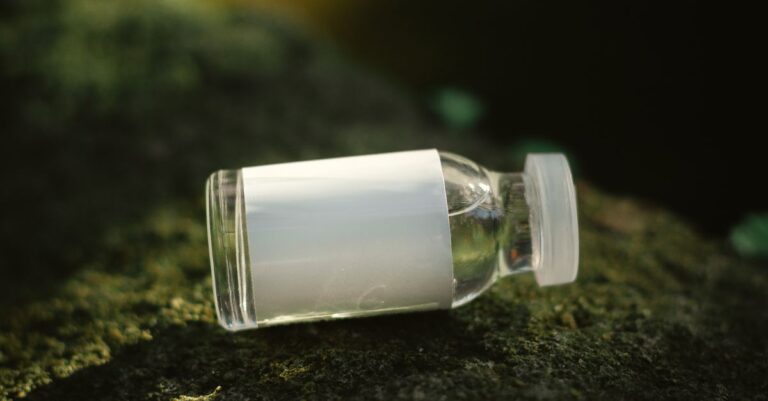
- Reconstitution: Typically, GHK-Cu is supplied as a lyophilized (freeze-dried) powder and requires reconstitution with bacteriostatic water. A sterile technique is crucial to prevent contamination.
- Storage: Once reconstituted, GHK-Cu should be stored refrigerated (2-8°C) and protected from light to preserve its stability. Unreconstituted powder can be stored long-term in a freezer.
- Handling: Always handle GHK-Cu in a clean, controlled environment using appropriate laboratory safety measures.
For more detailed information on acquiring research compounds, consult our guide on Sourcing Research Peptides in Canada: A Comprehensive Guide.
Evaluating Canadian Research Peptide Suppliers
Choosing a reputable supplier for GHK-Cu in Canada is critical for the success and validity of any research project. Researchers should prioritize suppliers who demonstrate transparency and a commitment to quality. Look for companies that:
- Provide Third-Party Testing: Independent laboratory analysis (e.g., HPLC-MS) ensures the stated purity and authenticity of the peptide.
- Offer Batch-Specific COAs: A Certificate of Analysis should be readily available for each batch, detailing purity, composition, and other relevant specifications.
- Ensure Secure and Timely Shipping: Reliable, discreet, and fast shipping within Canada is a hallmark of a professional supplier.
- Maintain Excellent Customer Support: Knowledgeable support staff can answer questions regarding product specifications, handling, and compliance.
- Specialize in Research-Grade Products: Confirm that the supplier explicitly states products are for research purposes only, aligning with regulatory guidelines.
Nuvion Peptides is committed to providing Canadian researchers with high-quality GHK-Cu and other research compounds, backed by transparent third-party testing. We invite you to explore our catalogue for your research needs.
Further insights into the broader landscape of research compounds can be found by reviewing Peptides in Canada: A Comprehensive Research Overview.
Nuvion Peptides products are sold strictly for laboratory and research use only, not for human or veterinary consumption, diagnosis, or treatment.
Frequently Asked Questions
What is GHK-Cu used for in research?
GHK-Cu is studied for its roles in tissue regeneration, wound healing, antioxidant defense, and anti-inflammatory processes, particularly in dermatological, neuroprotective, and anti-aging research models.
How should GHK-Cu be stored for research purposes?
Unreconstituted GHK-Cu powder should be stored in a freezer. Once reconstituted with bacteriostatic water, it should be refrigerated (2-8°C) and protected from light to maintain stability.
Is GHK-Cu legal to research with in Canada?
Yes, GHK-Cu is available for legitimate laboratory and research purposes in Canada, provided it is not intended for human or veterinary consumption or therapeutic use.
What is the importance of third-party testing for GHK-Cu?
Third-party testing, often through techniques like HPLC-MS, is crucial to verify the purity, identity, and concentration of GHK-Cu, ensuring researchers receive a high-quality product for accurate experimental results.
Can GHK-Cu be reconstituted with sterile water?
While sterile water can be used for reconstitution, bacteriostatic water is generally preferred for peptides intended for multiple uses as it contains a preservative (benzyl alcohol) that inhibits bacterial growth, extending the shelf life of the reconstituted solution.